
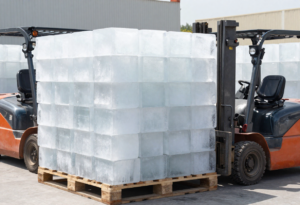
In the demanding landscape of Dubai’s restaurant industry, every operational detail impacts service, safety, and the bottom line. Ice is not a luxury; it is a critical utility as essential as electricity or water. However, reliance on standard ice machines or inconsistent bagged ice can lead to service breakdowns during peak hours, compromising drink quality, food safety, and presentation. The strategic solution lies in a shift to bulk ice blocks. This move represents a fundamental operational upgrade, offering unparalleled reliability, volume, and versatility for high-volume establishments. This guide is designed for restaurant managers, chefs, and owners in Dubai. We will explore how integrating bulk ice blocks into your operation solves common pain points, elevates food and beverage presentation, and creates a more resilient and impressive service model capable of meeting the city’s exacting standards.
1. The High Stakes of Ice in Dubai’s Restaurant Industry
Ice in a restaurant is a high-stakes commodity. Its failure directly translates to customer dissatisfaction and potential revenue loss. Dubai’s climate and vibrant dining culture intensify these pressures. Outdoor terraces, bustling all-day brunches, and high-volume cocktail bars place immense demand on ice supply. A standard ice machine can struggle to keep up, leading to the dreaded moment a server must tell guests they cannot serve a chilled cocktail or a fresh oyster. Furthermore, Dubai’s stringent food safety regulations mandate strict temperature control for raw and high-risk foods like seafood and certain desserts. Inadequate or inconsistent ice for food displays poses a direct health risk and compliance issue. Beyond functionality, presentation is a competitive differentiator. Patrons expect visually stunning seafood platters and perfectly chilled drink stations. Melted, soggy, or insufficient ice looks unprofessional and diminishes perceived value. Therefore, ice management is not a back-of-house afterthought; it is a core component of operational excellence, directly tied to guest experience, regulatory compliance, and brand reputation in a crowded market.
2. Beyond Cubes: The Operational Advantages of Bulk Ice Blocks
Bulk ice blocks provide a paradigm shift from reactive ice management to proactive, strategic supply. Their primary advantage is massive thermal mass and slow melt rate. A single large block melts significantly slower than an equivalent weight of cubes due to its lower surface-area-to-volume ratio. This translates directly to operational efficiency. For beverage service, it means bartenders spend less time constantly refilling ice wells and more time crafting drinks. A large block placed in a dedicated well or tub provides a steady, hours-long supply of cold without the frequent replenishment cycles that disrupt service flow. From a cost perspective, bulk ice can be more economical per kilogram than running multiple high-output ice machines at full capacity, especially when considering machine maintenance, energy consumption, and water filtration costs. Bulk ice acts as a critical buffer. It decouples your operation from the immediate production capacity of your machines, providing a reliable reserve that ensures service continuity during unexpected rushes or if a machine requires servicing. This reliability is a form of risk mitigation. It guarantees that your restaurant never has to compromise on the quality of a chilled presentation or the temperature of a drink, delivering consistent excellence that guests can depend on.
3. Solution 1: High-Volume Drink & Beverage Service
For high-traffic bars and restaurants in Dubai, beverage service is a primary revenue driver and a major source of operational strain. Bulk ice blocks provide a robust solution that transforms bar workflow. The most effective application is the dedicated ice block well or reserve station. Instead of relying solely on under-counter ice machines that can be depleted in minutes during a rush, a secondary station is set up with a large, durable tub or a specifically designed ice bin. A substantial ice block, often 25kg or more, is placed inside. As bartenders need ice, they chip or break off portions directly from this block using a clean ice pick or mallet. This method offers several key benefits. First, it provides an instantly accessible, high-volume ice reserve that does not slow down during peak service. Second, the ice itself is often denser and colder than machine-made cubes, chilling drinks more effectively and causing less dilution, which is crucial for craft cocktails where flavor balance is paramount. Third, it allows for the creation of different ice types; large chunks broken from a block are perfect for rocks glasses, while finer chips can be made for juleps or specialty drinks. This system ensures that even during a fully booked Friday brunch or a busy evening terrace service, the bar never runs out of ice, maintaining service speed, drink quality, and customer satisfaction without interruption.
4. Solution 2: Seafood & Raw Bars – Presentation and Safety
A seafood or raw bar is a visual centerpiece that demands impeccable standards of both safety and spectacle. Here, bulk ice blocks are indispensable, serving a dual role as a functional chilling agent and a stunning display platform. For food safety, maintaining a consistent, low temperature for raw oysters, clams, crab, and sushi is non-negotiable to prevent bacterial growth. A thick, solid ice block provides a stable thermal mass that holds its temperature far longer than a mound of loose ice, ensuring the seafood rests on a reliably cold surface throughout service. From a presentation standpoint, the block itself becomes the stage. A large, leveled ice block can be sculpted or arranged as a pristine, elevated platform. Seafood is then artfully arranged on top, creating a breathtaking mountain of fresh shellfish that appears to rise from a glistening glacier. The slow, controlled melt of the block prevents the seafood from sitting in a pool of water, which can dilute flavors and make shells slippery and unappealing. For a dynamic display, some establishments use clear ice blocks with LED lighting embedded underneath, causing the entire seafood display to glow, enhancing the vibrant colors of the fish and shellfish. This use of bulk ice directly supports Dubai’s food safety regulations for temperature control while simultaneously delivering a powerful marketing image that justifies premium pricing and attracts customers seeking a luxurious dining experience.
5. Solution 3: Kitchen Back-up & Ambient Kitchen Cooling
The kitchen is the engine room of any restaurant, and heat is its constant byproduct. Bulk ice blocks offer innovative solutions here that extend beyond food contact, focusing on equipment support and environmental control. One critical application is as an emergency back-up for key refrigeration units. In the event of a walk-in cooler malfunction or during intense power fluctuations—a scenario any Dubai restaurant must plan for—large ice blocks placed strategically inside the unit can act as a temporary thermal buffer. They absorb heat, slowing the temperature rise and giving crucial time to transfer stock or enact repairs, potentially saving thousands of dirhams in spoiled inventory. Furthermore, in specific kitchen stations, ice blocks serve a direct operational purpose. Garde manger or pastry sections, which require cool conditions for working with chocolate, delicate pastries, or intricate plating, can use a small ice block placed in a deep hotel pan underneath a perforated tray. This creates a localized cold work surface, ideal for tasks that would cause ingredients to wilt or melt on a regular counter.
For ambient kitchen cooling, particularly in open kitchens or during the intense heat of summer, ice blocks contribute to staff comfort and safety. Placing a large block in a shallow pan in front of a floor fan creates a simple yet effective swamp cooler effect. The fan blows hot air across the cold surface of the ice, producing a stream of chilled air that can be directed towards a specific station, like the grill or fryer area. This targeted cooling reduces heat stress for chefs, improving focus and endurance during long, busy services. While not a replacement for proper HVAC, this method provides immediate, low-cost relief in the hottest zones, demonstrating thoughtful management that prioritizes staff well-being and operational continuity.
6. Solution 4: Buffet Displays and Salad Bars
Buffet presentations, from lavish hotel brunches to wedding receptions, live and die by their visual appeal and food safety integrity. Bulk ice blocks are the foundational element that ensures both. For chilled salad bars, seafood displays, and dessert stations, a solid ice base is essential. Rather than using loose ice that quickly turns into a watery mess, caterers and restaurants use large, flat ice slabs or multiple blocks arranged to create a level, sturdy platform. Food containers—such as bowls of dip, ceviche, sushi, or salad—are then nestled directly into this ice bed. The massive thermal mass of the ice maintains a consistently safe temperature for hours, far exceeding the holding power of flaked ice, and complies with Dubai’s food safety requirements for cold-holding. The presentation is clean, elevated, and professional; foods remain distinct and appetizing, not waterlogged.
The aesthetic potential is vast. Clear ice blocks can be used as dramatic plinths for grand centerpiece dishes like a whole salmon or a tiered seafood tower. For themed events, colored ice blocks (made with food-safe dyes) can add a vibrant touch. A particularly impressive technique involves creating a “river” or “moat” of ice blocks around a central display, such as a carving station, keeping accompanying sauces and garnishes perfectly chilled. This method minimizes cross-contamination from meltwater between dishes and reduces the frequency of refills needed by staff, allowing for smoother service. By using bulk ice as the structural and thermal core of a buffet, restaurants guarantee food safety, reduce labor for upkeep, and create a visually stunning, abundant display that enhances the perceived value and luxury of the dining experience.