
Introduction
Modern diners expect more than great taste. They want an experience they can see, record, and share. That is why many venues now use Dry Ice for Restaurants to create dramatic and memorable dining moments.
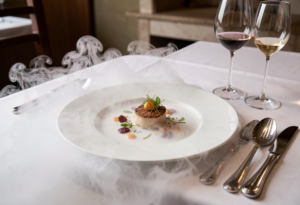
Dry ice produces thick white fog when placed in warm water. The fog flows gently over plates and glasses, adding movement and mystery. When used correctly, it transforms simple dishes into theatrical presentations that guests never forget.
Why Restaurants Are Using Dry Ice for Visual Impact
Restaurants compete not only on flavor but also on presentation. Social media has changed how people choose where to eat. A visually striking dish often attracts attention before a guest even reads the menu.
Dry Ice for Restaurants creates instant visual drama. The flowing fog adds depth and motion to plated dishes. It turns food delivery into a performance rather than a simple service step.
Many upscale venues use this effect during special course presentations. The fog builds anticipation and encourages guests to take photos. This organic sharing increases brand visibility without extra marketing cost.
The Psychology of Visual Dining
People eat with their eyes first. When a dish looks exciting, the brain expects it to taste better. This psychological response enhances the overall dining experience.
Fog effects create suspense. As smoke lifts from a covered plate, guests feel curiosity and surprise. These emotions make the moment more memorable.
Memorable experiences often lead to repeat visits. When diners associate a restaurant with unique presentation, they are more likely to return and recommend it to others.
How Dry Ice Enhances Presentation
Dry ice adds movement to static dishes. Plates no longer sit quietly on the table. Instead, they arrive surrounded by soft clouds that feel dramatic and refined.
The effect pairs well with lighting. In dim restaurants, subtle spotlighting through fog creates elegant visuals. This works especially well for tasting menus and chef’s table experiences.
Chefs can control the intensity by adjusting water temperature and quantity. Small pieces produce quick bursts of fog, while larger blocks last longer. This flexibility makes Dry Ice for Restaurants adaptable to different concepts and service styles.
The Science Behind Dry Ice in Food Displays
Understanding how dry ice works helps ensure safe and effective use. Dry ice is the solid form of carbon dioxide. Unlike regular ice, it does not melt into liquid.
Instead, it changes directly from solid to gas. This process is called sublimation. Sublimation means skipping the liquid stage entirely.
When dry ice meets warm water, it releases cold carbon dioxide gas. The gas cools the surrounding air, which forms visible fog. This fog is what creates the dramatic dining effect.
What Is Dry Ice and How It Works
Dry ice remains extremely cold at about minus 78 degrees Celsius. Because of this low temperature, it reacts quickly when exposed to warmth.
Restaurants typically place dry ice in hidden compartments beneath plates or serving trays. Warm water activates the fog effect just before the dish reaches the table. This timing ensures the smoke looks fresh and controlled.
The fog stays low because it is heavier than warm air. This creates a clean visual layer without filling the entire dining room.
Understanding Sublimation in Simple Terms
Sublimation may sound technical, but the idea is simple. A solid turns directly into gas without becoming liquid first. Dry ice skips the melting stage.
This property makes it ideal for food presentation. It produces dramatic fog without leaving puddles or moisture on plates. That keeps dishes clean and visually appealing.
When chefs understand this science, they can plan precise presentation moments. With proper control, Dry Ice for Restaurants becomes both safe and visually powerful.
Signature Dish Presentations with Dry Ice
Signature dishes define a restaurant’s identity. Guests often order them based on reputation alone. Using Dry Ice for Restaurants can elevate these dishes into unforgettable experiences.
Chefs use fog to build anticipation before guests even take the first bite. A covered plate arrives at the table, surrounded by soft smoke. When the server lifts the lid, the dish reveals itself in a dramatic way.
This approach works especially well in fine dining settings. The performance feels intentional and refined rather than flashy. When timed correctly, it enhances the storytelling behind the dish.
Smoky Dessert Reveals
Desserts benefit greatly from theatrical presentation. Imagine a chocolate sphere sitting in a gentle cloud of fog. As the server pours warm sauce over it, the sphere melts and reveals a surprise inside.
Dry ice can create that surrounding smoke effect without touching the food directly. Chefs often hide it beneath a serving tray or in a separate chamber. This keeps the dessert safe while maintaining visual drama.
The contrast between cold fog and warm dessert elements adds sensory excitement. Guests remember not only the taste but also the moment of reveal. This emotional connection strengthens brand loyalty.
Dramatic Main Course Arrivals
Main courses can also benefit from subtle fog effects. For example, a steak presented under a glass dome filled with smoke creates suspense. When the dome lifts, the aroma and presentation combine for impact.
Some restaurants infuse smoke flavor separately while using dry ice only for visual fog. This distinction matters because dry ice itself does not add flavor. It only produces carbon dioxide fog.
Proper separation ensures food safety. When handled correctly, Dry Ice for Restaurants enhances main course presentation without affecting taste or quality.
Cocktail and Beverage Experiences
Bars and beverage programs also use theatrical techniques. Dry Ice for Restaurants plays a major role in creating Instagram-worthy drinks and mocktails.
Smoky cocktails often arrive bubbling and surrounded by mist. This effect excites guests before they even take a sip. It turns a simple drink into a shareable experience.
However, safety remains essential. Bartenders must ensure that dry ice never enters the drink directly in solid form. Only trained staff should manage the effect.
Theatrical Mocktails and Signature Drinks
Mocktails benefit especially from visual presentation. Without alcohol as a selling point, the experience becomes even more important. Fog effects add excitement and perceived value.
Bartenders may place dry ice in a hidden compartment at the base of a serving vessel. Warm water activates the fog, which flows over the rim of the glass. The drink remains untouched and safe.
Colored lighting at the bar enhances the effect. When lights shine through the fog, the drink appears luminous and dramatic. This makes Dry Ice for Restaurants a powerful branding tool.
Creating Safe Smoke Effects at the Bar
Safety protocols must remain strict behind the bar. Dry ice should never be sealed inside airtight containers. Pressure buildup can cause containers to burst.
Staff must wear insulated gloves when handling dry ice. Direct contact can cause frostbite due to extreme cold. Clear training prevents accidents during busy service hours.
Ventilation also matters. Carbon dioxide gas should not accumulate in small enclosed spaces. With proper airflow and staff awareness, restaurants can deliver stunning drink presentations safely.
Themed Dining and Immersive Concepts
Themed dining experiences continue to grow in popularity. Guests no longer want only a meal. They want a story that unfolds from the first course to the last. Dry Ice for Restaurants helps create that immersive environment.
Fine dining tasting menus often focus on storytelling. Each course represents a chapter in the chef’s vision. Fog effects can signal transitions between courses or highlight a key moment in the narrative.
Immersive restaurants also use dry ice to transform the room itself. A seafood concept may use gentle fog to mimic ocean mist. A forest-themed dining space can create a morning haze effect. These subtle touches make the experience feel complete.
Fine Dining Tasting Menus
Tasting menus rely on surprise and detail. A small dish presented with a cloud of fog instantly feels special. The effect slows down the moment and draws attention to the plate.
Chefs often coordinate dry ice effects with music and lighting. When timing aligns perfectly, the presentation feels intentional and artistic. This creates emotional impact beyond flavor alone.
Consistency matters in fine dining. Staff must practice the sequence carefully to ensure smooth execution. When done correctly, Dry Ice for Restaurants adds sophistication without distracting from the food.
Seasonal and Holiday Installations
Seasonal menus offer another opportunity for creativity. During winter, restaurants can create a snowy atmosphere using low-lying fog. In autumn, smoky table presentations can enhance harvest-themed dishes.
Holiday events also benefit from dramatic reveals. A special New Year’s dessert presented in a cloud of fog feels festive and luxurious. Valentine’s Day dinners can include romantic, softly lit smoke effects.
By aligning dry ice use with seasonal décor and menu design, restaurants strengthen their brand identity. Guests feel immersed in a complete experience rather than a simple meal.
Safety and Compliance in Restaurant Settings
While dry ice creates impressive visuals, safety must remain the top priority. Restaurants operate under strict food safety regulations. Using Dry Ice for Restaurants requires clear procedures and trained staff.
Dry ice should never come into direct contact with food that guests will consume. Solid pieces must remain separated from edible items. Only the fog effect should reach the table.
Clear communication among kitchen and service teams ensures safe coordination. Every employee involved must understand handling procedures.
Food Safety Guidelines
Food safety authorities require that any material used near food remains non-contaminating. Dry ice must be handled in a way that prevents ingestion.
Servers should always confirm that no solid pieces remain on trays or near plates. Guests should not touch or play with visible dry ice.
Restaurants should also label or explain the effect if necessary. A brief explanation reassures guests and highlights the intentional design of the presentation.
Proper Handling and Ventilation
Dry ice remains extremely cold and can cause frostbite. Staff must wear insulated gloves and use proper tools when handling it.
Storage should occur in insulated containers that allow airflow. Never seal dry ice tightly in containers, as pressure can build up from released gas.
Ventilation in dining rooms and kitchens is essential. Carbon dioxide gas should not accumulate in enclosed spaces. Most commercial kitchens already have strong ventilation systems, which support safe use.
Cost and Planning Considerations
Before adding dry ice to regular service, restaurants must plan carefully. While the effect looks luxurious, it requires budgeting and operational coordination.
Dry Ice for Restaurants typically costs more when ordered in small quantities. Establishments that use it regularly may negotiate bulk pricing with suppliers. Consistent sourcing ensures reliable quality and freshness.
Timing also affects cost. Because dry ice sublimates over time, restaurants should schedule deliveries close to service hours. This prevents waste and maintains strong visual performance.
Budgeting for Regular Use
Restaurants must calculate how often they plan to use the effect. Occasional special events require less supply. Daily tasting menus may require steady weekly deliveries.
Managers should include dry ice costs in menu pricing. Since the presentation enhances perceived value, guests often accept slightly higher prices for the experience.
Careful planning ensures profitability while maintaining high standards.
Staff Training and Operational Planning
Staff training remains critical for safe and smooth execution. Employees should understand handling procedures, safety rules, and timing coordination.
Service teams must practice the sequence from kitchen to table. Clear communication prevents delays or mishandling during busy periods.
When training and planning align, Dry Ice for Restaurants becomes a seamless part of service rather than a risky add-on.
Conclusion
Restaurants today compete on experience as much as flavor. Dry ice offers a powerful way to add drama, emotion, and visual appeal to dining presentations. From signature dishes and smoky desserts to immersive themed environments, it transforms simple service into theatrical storytelling.
Dry Ice for Restaurants enhances branding, encourages social sharing, and creates lasting memories. However, safety and compliance must guide every step of implementation. Proper training, ventilation, and food separation ensure the effect remains both impressive and secure.
When used thoughtfully, dry ice becomes more than a visual trick. It becomes a strategic tool that elevates the entire dining experience and strengthens guest loyalty.