
 Introduction
Shipping frozen food requires strict temperature control. Even small changes in temperature can damage quality, texture, and safety. Businesses and individuals need a reliable cooling solution that works during long transit times.
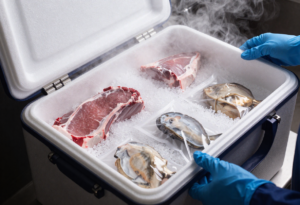
Dry Ice for Shipping Food stands out as one of the most effective methods. It keeps products deeply frozen without creating water mess or leakage. In this guide, you will learn why dry ice is the best choice for shipping frozen food safely and efficiently.
What Is Dry Ice and How It Works for Frozen Shipping
Dry ice is the solid form of carbon dioxide. Unlike regular ice, it does not melt into water. Instead, it changes directly from solid to gas through a process called sublimation. Sublimation means it skips the liquid stage completely.
This unique property makes dry ice ideal for frozen shipping. Regular ice melts and creates water, which can damage packaging and labels. Dry ice keeps the contents dry and clean during transit.
Dry Ice for Shipping Food maintains temperatures around minus 78 degrees Celsius. This extremely low temperature keeps frozen food solid for extended periods. It works especially well for meat, seafood, desserts, and prepared frozen meals.
How Sublimation Protects Food Quality
When dry ice sublimates, it releases carbon dioxide gas. This gas is cold and helps maintain a stable freezing environment inside the container. Because there is no liquid residue, packaging remains intact.
The stable temperature prevents partial thawing. Partial thawing can cause ice crystals to form inside food. These crystals damage texture and reduce quality.
Maintaining consistent freezing also protects food safety. Harmful bacteria grow rapidly when food enters unsafe temperature ranges. Dry ice helps prevent this risk during long shipping times.
Ideal Products for Dry Ice Shipping
Many frozen foods benefit from dry ice packaging. Ice cream requires deep freezing to keep its smooth texture. Seafood needs stable cold conditions to prevent spoilage.
Meal delivery companies also rely on Dry Ice for Shipping Food. Ready-to-cook meals must arrive fully frozen to maintain freshness. The strong cooling power of dry ice ensures these products reach customers in perfect condition.
Dry ice also supports specialty food businesses. Artisan frozen desserts and premium meat suppliers depend on reliable cold-chain logistics.
Why Temperature Control Matters in Frozen Food Transport
Frozen food must remain below specific temperature limits. If temperatures rise even slightly, quality declines quickly. This affects both taste and safety.
Temperature control protects the food’s structure. When frozen items thaw and refreeze, their texture becomes grainy or watery. Customers notice this change immediately.
Dry Ice for Shipping Food helps maintain consistent cold conditions throughout transit. It creates a stable internal environment inside insulated containers.
Preventing Bacterial Growth
Food safety depends on keeping products below the danger zone. The danger zone refers to temperatures between 5°C and 60°C where bacteria multiply quickly.
Frozen shipping aims to keep food well below zero degrees. Dry ice maintains temperatures far below this range. This reduces the chance of microbial growth during transport.
By preventing bacterial growth, businesses reduce health risks and protect their reputation. Customers trust brands that deliver safe, high-quality products.
Protecting Brand Reputation
Shipping failures damage more than just products. They damage customer trust. A single spoiled shipment can result in refunds, complaints, and negative reviews.
Using Dry Ice for Shipping Food reduces this risk. Reliable freezing ensures customers receive products in excellent condition.
Strong temperature control also allows companies to expand into distant markets. They can ship across regions or countries without compromising quality.
Key Benefits of Using Dry Ice for Shipping Food
Dry Ice for Shipping Food offers several strong advantages over other cooling methods. Its extremely low temperature keeps products fully frozen for longer periods. This makes it ideal for long-distance deliveries.
One major benefit is its clean performance. Dry ice does not melt into water. It sublimates directly into carbon dioxide gas, which leaves no liquid behind. This prevents soggy packaging and protects food labels.
Dry ice also provides powerful cooling in compact quantities. A smaller amount can maintain freezing temperatures longer than regular ice. This saves space inside insulated shipping containers.
Longer Cooling Duration
Dry ice lasts longer than many alternative cooling options. When stored in high-quality insulated packaging, it can remain effective for 18 to 24 hours or more. Larger quantities may last even longer depending on insulation and climate.
This extended cooling window supports overnight and multi-day deliveries. Businesses can confidently ship frozen food across states or internationally.
Consistent cold temperatures also reduce the risk of partial thawing. Stable freezing helps maintain food texture, flavor, and overall quality.
Clean and Efficient Performance
Regular ice melts and creates water that can leak from packaging. Water damage can weaken boxes and spoil product presentation. Dry ice eliminates this issue completely.
Because it turns into gas, dry ice leaves no residue. This clean performance supports professional packaging standards.
The carbon dioxide gas released during sublimation can also help limit oxygen exposure. Reduced oxygen may slow certain types of spoilage, offering an additional protective benefit.
Comparing Dry Ice with Gel Packs and Regular Ice
Many businesses compare dry ice with gel packs and traditional ice before making a decision. Each option serves a purpose, but dry ice offers stronger freezing power.
Gel packs maintain cool temperatures but usually stay above freezing. They work well for refrigerated goods but not for deeply frozen food. Dry Ice for Shipping Food maintains much lower temperatures.
Regular ice cools effectively at first, but it melts quickly. Melted ice creates water, which can damage packaging and increase shipping weight.
Performance Differences
Dry ice keeps temperatures around minus 78 degrees Celsius. This is far colder than gel packs or regular ice. That extreme cold makes it suitable for ice cream, seafood, and specialty frozen products.
Gel packs may maintain temperatures between 0°C and 5°C. This range works for chilled items but not for frozen goods.
Regular ice starts at 0°C and warms as it melts. It cannot maintain deep freezing during extended transit.
Cost and Practical Considerations
Dry ice may cost more per kilogram than regular ice. However, its efficiency often reduces overall shipping losses. Preventing spoilage saves money in the long term.
Gel packs are reusable, but they require pre-freezing and careful handling. For businesses shipping high volumes, dry ice offers a more powerful and scalable solution.
Choosing Dry Ice for Shipping Food supports long-distance delivery with fewer risks.
Safety and Handling Guidelines for Shipping Frozen Food
Although dry ice is highly effective, it requires proper handling. It is extremely cold and can cause frostbite if touched directly. Workers should always use insulated gloves.
Packaging must allow ventilation. Dry ice releases carbon dioxide gas during sublimation. Sealed airtight containers can build pressure and become dangerous.
Shippers must clearly label packages containing dry ice. Many carriers treat it as a regulated material because of gas release.
Proper Packaging Methods
Use insulated foam containers placed inside strong outer boxes. This design slows heat transfer and protects contents.
Never seal dry ice in completely airtight packaging. Allow controlled ventilation to release gas safely.
Position dry ice above frozen food items when possible. Cold air sinks, which helps maintain even freezing throughout the container.
Transport Regulations
Airlines and courier services have specific rules for dry ice shipments. They may limit the amount allowed per package.
Clear labeling must include the net weight of dry ice inside. Following regulations prevents delays or rejected shipments.
Proper compliance ensures that Dry Ice for Shipping Food moves safely and efficiently from sender to recipient.
Cost Efficiency and Long-Distance Shipping Advantages
Shipping frozen food over long distances presents challenges. Without reliable cooling, businesses risk product loss and customer dissatisfaction.
Dry ice allows companies to expand their market reach. They can ship across regions or countries while maintaining quality standards.
Although dry ice adds to packaging costs, it reduces spoilage rates. Lower spoilage means fewer refunds and replacements.
Supporting Business Growth
Food brands can confidently offer nationwide or international shipping. Reliable freezing supports subscription meal services and specialty food exports.
Maintaining quality builds trust with customers. Trust leads to repeat orders and positive reviews.
Using Dry Ice for Shipping Food strengthens cold-chain logistics. Strong logistics systems support long-term growth.
Reducing Waste and Returns
Spoiled shipments create financial losses and waste resources. Dry ice helps maintain stable freezing during transit delays.
Including a small safety margin in dry ice quantity protects against unexpected delays. This proactive approach reduces risk.
Efficient shipping protects both profits and sustainability goals.
Conclusion
Frozen food shipping demands reliable temperature control and consistent freezing. Dry ice delivers powerful cooling without water residue or leakage. Its ability to sublimate directly into gas keeps packaging clean and professional.
Dry Ice for Shipping Food provides longer cooling duration, better protection against spoilage, and support for long-distance deliveries. When used with proper insulation and safety measures, it ensures products arrive frozen and safe.
For businesses and individuals who value quality and reliability, dry ice remains the best choice for shipping frozen food safely.