
Introduction
Shipping frozen products over long distances requires precision and planning. Even small temperature changes can damage food, medicine, or other sensitive goods. That is why many industries rely on Dry Ice for Shipping to maintain consistent freezing conditions during transit.
Dry ice keeps products frozen without melting into liquid water. It provides powerful cooling and lasts longer than regular ice in many shipping situations. In this guide, you will learn how dry ice works, why it is effective, and how it protects products during extended transport.
Why Temperature Control Matters in Shipping
Temperature control plays a critical role in product safety and quality. When frozen goods thaw and refreeze, their texture and effectiveness can suffer. In some cases, temperature shifts can make products unsafe for use.
Dry Ice for Shipping helps prevent these risks by maintaining low internal temperatures. It creates a stable environment inside insulated containers. This stability reduces the chance of spoilage or damage.
Businesses that ship frozen goods must follow strict standards. Customers expect products to arrive in perfect condition. Reliable temperature management builds trust and protects brand reputation.
Risks of Temperature Fluctuation
Temperature fluctuation occurs when products move between cold and warm conditions. This change can affect food safety, medicine potency, and product texture.
For example, frozen seafood may lose quality if partially thawed. Pharmaceutical products can lose effectiveness if exposed to higher temperatures. Even small changes can cause serious problems.
Moisture buildup from melting regular ice can also damage packaging. Dry ice avoids this issue because it does not melt into liquid. It changes directly into gas through sublimation.
Industries That Depend on Frozen Transport
Several industries rely heavily on frozen shipping solutions. Food distributors ship meat, seafood, and desserts across cities and countries. Online grocery services also depend on consistent freezing during delivery.
The medical industry uses dry ice to transport vaccines, lab samples, and specialty medicines. These products require strict temperature control to remain effective.
Research laboratories also use Dry Ice for Shipping when sending biological samples. Maintaining frozen conditions ensures the integrity of the material during transit.
What Is Dry Ice and Why It Works for Shipping
Dry ice is the solid form of carbon dioxide. Unlike regular ice, it does not melt into water. Instead, it turns directly into gas in a process called sublimation.
Sublimation means a solid changes directly into gas without becoming liquid. This unique property makes dry ice ideal for shipping. It provides strong cooling while keeping packaging dry.
Dry ice remains extremely cold at about minus 78 degrees Celsius. This low temperature allows it to freeze products quickly and maintain cold conditions for extended periods.
Understanding Dry Ice and Sublimation
When dry ice warms, it releases carbon dioxide gas. The gas escapes into the air if the container allows ventilation. This process continues until the dry ice fully disappears.
Because dry ice does not create liquid water, it reduces the risk of leaks. Packaging stays cleaner and more secure. This makes it especially useful for sensitive shipments.
However, proper ventilation is important. Sealed containers can build pressure from released gas. Shipping boxes must allow airflow while maintaining insulation.
Temperature Advantages Over Regular Ice
Regular ice melts at zero degrees Celsius. This temperature may not be cold enough for certain frozen products. Dry ice provides a much lower temperature, which keeps items deeply frozen.
Dry ice also lasts longer in insulated packaging. It evaporates slowly when stored correctly. This makes it suitable for long transit times.
For businesses shipping across states or internationally, Dry Ice for Shipping offers a reliable solution. It helps maintain product quality from departure to delivery.
How Dry Ice Keeps Products Frozen During Transit
Shipping frozen goods requires more than just adding ice to a box. The entire packaging system must work together. Dry Ice for Shipping plays a central role in maintaining stable internal temperatures throughout the journey.
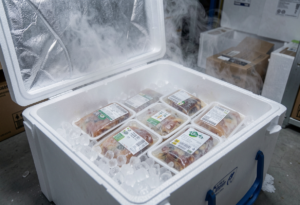
When placed inside an insulated container, dry ice absorbs heat from the surrounding air. As it sublimates, it keeps the inside of the package extremely cold. This continuous cooling effect protects the products for many hours or even days.
The key lies in proper insulation and correct placement. Dry ice should surround or sit above the products, depending on the type of shipment. Cold air moves downward, so positioning can improve cooling efficiency.
The Cooling Process Inside Insulated Packaging
Insulated shipping containers reduce the amount of external heat entering the box. Materials such as foam liners slow down temperature changes. This allows dry ice to work more effectively.
As heat enters the package, the dry ice absorbs it and turns into gas. This reaction maintains a low internal temperature. The process continues steadily during transit.
Because dry ice does not melt into water, the packaging remains dry. This prevents soggy boxes and damaged labels. Clean packaging also reduces the risk of contamination.
Maintaining Stable Internal Temperatures
Consistency matters more than extreme cold. A stable temperature prevents partial thawing. Dry ice supports this stability by providing continuous cooling rather than short bursts.
Shippers often calculate how much dry ice is needed based on transit time. Longer journeys require larger quantities. Insulation thickness also affects how long the cold lasts.
Monitoring devices may be placed inside shipments to track temperature. This ensures compliance with safety standards. With proper planning, Dry Ice for Shipping keeps products frozen from warehouse to destination.
Common Products Shipped with Dry Ice
Many products depend on reliable freezing conditions. Dry ice supports a wide range of industries that cannot risk temperature fluctuations.
Food companies often use Dry Ice for Shipping to protect perishable goods. Online retailers ship frozen meals, seafood, and specialty desserts across regions. Customers expect these products to arrive solid and safe.
Medical and scientific sectors also rely on dry ice for transport. Sensitive materials require consistent cold storage during transit.
Food and Perishable Goods
Frozen meats, poultry, and seafood require stable temperatures to maintain quality. Even brief warming can affect texture and taste. Dry ice ensures these items remain deeply frozen.
Ice cream and gourmet desserts also benefit from dry ice. These products can melt quickly if exposed to higher temperatures. Using dry ice helps preserve their original form.
Meal kit companies use insulated boxes combined with dry ice. This system allows fresh frozen ingredients to travel long distances without spoilage.
Medical and Pharmaceutical Supplies
The healthcare industry depends heavily on temperature control. Vaccines, laboratory samples, and specialty drugs often require freezing during shipment.
Dry ice provides the low temperatures needed for these materials. It supports compliance with strict medical transport standards.
Research institutions also ship biological specimens with dry ice. Maintaining frozen conditions ensures accurate results when samples reach laboratories. For critical shipments, Dry Ice for Shipping becomes an essential part of the supply chain.
Packaging Methods for Dry Ice Shipping
Effective packaging ensures that Dry Ice for Shipping performs at its best. Without proper insulation and airflow, even high-quality dry ice may not maintain stable temperatures.
Shippers usually place products inside insulated foam containers. These containers fit within strong outer cardboard boxes. The insulation slows heat transfer and protects contents from external temperature changes.
Dry ice should never be sealed in airtight packaging. As it sublimates, it releases carbon dioxide gas. Containers must allow controlled ventilation to prevent pressure buildup.
Insulated Containers and Ventilation
High-density foam coolers are common for frozen shipments. They trap cold air inside while limiting warm air from entering. This design extends the life of the dry ice.
Small ventilation openings are necessary for safety. These allow gas to escape gradually during transit. Proper labeling alerts carriers that the package contains dry ice.
Shippers must also separate dry ice from direct contact with certain products when needed. Cardboard dividers or protective layers prevent damage from extreme cold.
Calculating the Right Quantity of Dry Ice
Accurate calculation prevents both spoilage and waste. The required amount depends on transit time, insulation quality, and external weather conditions.
Longer shipping durations require more dry ice. Hot climates may also increase sublimation rates. Businesses often test packaging methods to determine the best quantity.
Professional shipping companies use guidelines based on weight and delivery time. With correct planning, Dry Ice for Shipping keeps products frozen without unnecessary excess.
Shipping Regulations and Safety Guidelines
Shipping dry ice involves specific regulations. Because it releases carbon dioxide gas, carriers treat it as a regulated material. Proper documentation and labeling are essential.
Businesses must clearly mark packages that contain dry ice. Labels often include the net weight of dry ice inside the box. This helps carriers handle shipments correctly.
Training staff on safety procedures reduces risks. Employees must understand how to store, pack, and label shipments according to guidelines.
Handling and Labeling Requirements
Packages containing dry ice require clear hazard labeling. These labels inform handlers about ventilation needs and safe handling practices.
Shippers must also include documentation when transporting by air. Airlines follow strict rules for dry ice shipments due to cabin pressure and ventilation systems.
Proper labeling ensures smooth transit and avoids delays. Following regulations protects both the sender and the carrier.
Air Transport Restrictions and Compliance
Air transport limits the amount of dry ice allowed per package. The limits depend on aircraft type and cargo classification.
Shippers must confirm airline policies before dispatch. Incorrect packaging or labeling can result in rejected shipments.
Compliance ensures safe movement across borders. For international deliveries, businesses should verify country-specific regulations for Dry Ice for Shipping.
Cost Efficiency and Long-Distance Shipping Benefits
Although dry ice adds cost to shipping, it often reduces losses. Preventing spoilage saves money in the long run. Businesses protect both product value and brand reputation.
Dry ice allows companies to expand their delivery range. Frozen goods can travel across states or countries without losing quality. This opens new market opportunities.
With careful planning, Dry Ice for Shipping supports cost-effective logistics while maintaining high standards.
Reducing Spoilage and Waste
Spoiled shipments result in refunds, replacements, and damaged trust. Reliable freezing reduces these risks.
Dry ice maintains stable temperatures throughout extended transit. This consistency lowers the chance of product rejection upon delivery.
Reduced waste also supports sustainability goals. Fewer spoiled goods mean fewer resources lost during production and shipping.
Planning for Extended Transit Times
Unexpected delays can occur due to weather or logistics issues. Extra dry ice and strong insulation provide a buffer against these delays.
Businesses often include a safety margin in their calculations. This ensures products remain frozen even if transit extends beyond the planned schedule.
Strategic planning makes Dry Ice for Shipping a dependable solution for long-distance deliveries.
Conclusion
Shipping frozen goods over long distances demands reliable temperature control. Dry ice offers powerful cooling, stable conditions, and clean packaging without liquid residue. Its ability to sublimate directly into gas makes it ideal for protecting sensitive products.
Dry Ice for Shipping supports industries ranging from food distribution to pharmaceuticals. When paired with proper insulation, ventilation, and regulatory compliance, it keeps products frozen from origin to destination.
With accurate planning and careful handling, businesses can reduce spoilage, expand delivery reach, and maintain product quality throughout transit.