
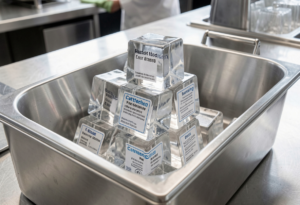
In the high-stakes world of professional catering in Dubai, every detail reflects on your brand’s reputation for excellence and safety. Ice, a seemingly simple commodity, is one of the most critical yet potentially overlooked elements. For a catering client, the clarity, cleanliness, and safety of the ice served with their beverages or used in their food displays are direct indicators of your overall operational standards. Cloudy, off-tasting, or improperly handled ice can undermine an otherwise flawless event, raising concerns about hygiene that no amount of gourmet food can easily erase. This guide addresses the essential protocols for catering companies in Dubai. We will navigate the journey of ice from ethical sourcing and safe transportation to flawless on-site presentation, ensuring that every cube you serve meets the highest possible standards of quality, safety, and visual appeal, turning a basic necessity into a symbol of your professional trustworthiness.
1. Why Ice Quality is a Non-Negotiable in Professional Catering
Ice quality is a non-negotiable pillar of professional catering because it is a consumable product that touches the food and drink your guests ingest. Its quality directly impacts taste, safety, and perceived value. From a sensory perspective, ice made from improperly filtered water can impart unpleasant mineral tastes or odors, ruining the flavor of premium spirits, delicate wines, or fresh juices. Cloudy ice, caused by trapped air and impurities, looks unprofessional in a clear glass, detracting from the visual elegance of the beverage presentation. More critically, ice is a potential vector for foodborne illness if produced, stored, or handled without strict hygiene protocols. Bacteria and contaminants from dirty hands, unsanitized storage bins, or contaminated transport containers can thrive on ice. In Dubai’s warm climate, where events often last for hours, the risk of bacterial transfer increases if ice is not managed correctly. Therefore, treating ice with the same rigor as any other food ingredient is essential. It is not just frozen water; it is an integral component of the culinary experience that must be clean, clear, and completely safe, reflecting your company’s unwavering commitment to guest well-being and event excellence.
2. The Dubai Catering Standard: Beyond Just Frozen Water
The standard for ice in Dubai’s catering industry extends far beyond basic freezing. It encompasses a holistic view of quality that includes source water purity, production methods, and end-to-end hygiene. The expectation, particularly for high-end corporate events, weddings, and luxury functions, is for premium, food-grade ice. This begins with the water source. The best ice is made from purified, filtered water that has undergone reverse osmosis or similar treatment to remove minerals, chlorine, and impurities. This process results in crystal-clear, hard ice cubes that melt slowly and are tasteless and odorless. The production environment is equally important. Reputable commercial ice plants operate under strict hygiene controls, with machinery that is regularly cleaned and sanitized to prevent biofilm buildup. The final product should be consistently clear, solid, and free from chips, splinters, or odd shapes that suggest poor quality control. For caterers, meeting this standard means partnering with suppliers who can provide certificates of analysis for their water and demonstrate compliance with food safety management systems. It means never sourcing ice from ambiguous or non-commercial sources. In a market like Dubai, where clients are discerning and regulations are stringent, accepting anything less than this premium standard can compromise your reputation and your clients’ trust.
3. Step 1: Sourcing and Selecting Food-Grade Ice for Events
Your ice supply chain is the first and most critical link in guaranteeing quality. Selecting the right supplier is a strategic decision that affects every event you cater. Begin by identifying established commercial ice manufacturers in Dubai that specialize in food-grade production. These companies supply the hospitality industry and understand the required standards. Avoid general convenience stores or petrol stations, as their ice is often intended for coolers, not for direct consumption in a professional food service setting. When vetting a supplier, you must conduct due diligence. A reputable supplier will be transparent and welcome your inquiries about their processes.
Key Questions for Your Ice Supplier
Prepare a list of essential questions to ask any potential ice vendor. First, inquire about their water source and filtration process. Ask for documentation or a simple explanation of how they ensure water purity. Second, ask about their production facility’s hygiene and cleaning schedule for ice-making and storage equipment. Third, request details on their packaging. Food-grade ice should be bagged in new, clean, and durable plastic bags that are sealed to prevent contamination. Fourth, confirm their delivery capabilities. Do they use insulated, dedicated ice trucks, and can they deliver at specific, often early, times to align with your event setup schedule. Finally, ask if they can provide a certificate of food safety compliance or any relevant municipality approvals. The answers to these questions will separate a true professional supplier from a casual vendor. Establishing a partnership with a supplier who meets these criteria is an investment in your operational integrity and the safety of every event you manage.
4. Step 2: Safe Transportation and On-Site Handling Protocols
Once high-quality ice is sourced, its safe journey to your event venue is paramount. Contamination most frequently occurs during transport and transfer, making this phase a key risk point. Dedicated, clean transportation is non-negotiable. The ice should travel in an insulated container or vehicle used exclusively for ice or other food products. Never transport ice in a vehicle previously used for chemicals, garbage, or other non-food items without a thorough sanitization. The ice bags must remain sealed and undamaged during transit. Upon arrival at the venue, implement strict handling protocols. Designate a specific, clean area for ice reception and storage, away from food prep zones and potential contaminants.
Staff handling the ice must follow impeccable hygiene. They should wash their hands thoroughly and wear single-use food-safe gloves when transferring ice from bags to service containers. Use only dedicated, food-grade containers for storage and service—never use garbage bins, cleaning buckets, or any container not specifically intended for food contact. These containers must be sanitized before each use with a food-safe sanitizer. When moving ice to bars or stations, use clean scoops or shovels that are used only for ice and are stored in a sanitizer solution between uses. The goal is to create a closed, sanitary system from the sealed bag to the guest’s glass, preventing any point of contact where bacteria from hands, tools, or surfaces could compromise the ice’s safety.
5. Step 3: Ensuring Hygiene from Storage to Service
Maintaining a pristine hygiene chain from storage through to the final point of service is where theory becomes practice. This stage requires meticulous attention to detail and disciplined protocols from every member of your catering team. Once ice is transferred to your sanitized on-site containers, its storage location is critical. Ice for service must be kept in a designated cooler or ice chest, separate from ice used for cooling bottles or other non-consumable purposes. This storage unit should be clearly labeled “For Service Ice Only” and kept closed when not in active use to prevent airborne contamination. It should be positioned in a cool, shaded area, away from direct sunlight, food preparation splatter, and high-traffic pathways.
The Critical “Last-Meter” Ice Handling
The most vulnerable moment for ice contamination is the “last-meter” transfer—when it is scooped from the storage bin into a glass, pitcher, or food display. This action must be governed by unbreakable rules. Staff must never handle ice with their bare hands under any circumstances. The use of a single, dedicated ice scoop for each storage bin is mandatory. This scoop must have a handle and should be stored in a clean, designated holder outside the ice bin, never left sitting in the ice itself. When a scoop is placed back into the ice, its handle can introduce bacteria from a server’s hand. A proper holder keeps the scoop’s business end clean and ready for use. Furthermore, servers must be trained to avoid letting glass rims or bottle necks touch the ice when filling orders, as this can transfer germs from the packaging directly into the supply. These seemingly small actions form the final defensive barrier, ensuring the ice that reaches the guest is as clean and safe as when it left the manufacturer’s plant.
6. Step 4: Presentation and Application in Catering Setups
The presentation of ice is a direct reflection of your catering company’s attention to detail and commitment to guest experience. Its application varies between drink service and food displays, each requiring a thoughtful approach to maximize both aesthetics and functionality.
Drink Stations and Bars
At bars and drink stations, ice should be abundant, pristine, and easily accessible. Use clear, acrylic or glass-fronted ice bins to showcase the clarity and cleanliness of your product. This transparency builds immediate visual trust with guests. For upscale events, consider using specialized ice shapes—large cubes for spirits, spheres for premium whiskey service, or crescent-shaped cubes for wine buckets—that signal sophistication and slow dilution. Ensure ice wells are kept full but not overflowing, and always use the clean scoop system. A well-organized, clean ice station is the operational heart of efficient beverage service and a subtle mark of quality.
Buffet Lines and Chilled Displays
For food applications, ice serves as both a functional coolant and a presentation platform. When used in buffet lines for items like seafood, salads, or dessert displays, ice must create a clean, dry, and visually appealing bed. The best practice is to use a perforated tray or rack set over a deeper pan filled with ice. This allows meltwater to drain away from the food, preventing sogginess and maintaining texture. For dramatic centerpieces, such as an oyster display or a sushi boat, build a foundation of clean, clear ice blocks or cubes, then artfully arrange the food on top or nestled within. Garnishes like lemon slices or mint sprigs can be frozen into clear ice blocks for added effect. The goal is to create displays that look abundant, fresh, and meticulously crafted, where the ice enhances the food’s appeal without ever compromising its safety or quality through direct, waterlogged contact.
7. Step 5: Managing Waste and Environmental Considerations
Responsible ice management extends to its end-of-life phase, impacting both your operational efficiency and environmental footprint. In Dubai’s event landscape, sustainability is an increasingly important value for clients and a mark of a forward-thinking caterer. Begin by minimizing waste through accurate forecasting. Use historical data and event specifics to order ice precisely, adding a reasonable buffer rather than an excessive surplus. During the event, monitor usage and consolidate partially used ice bins to reduce the number of containers in circulation. For managing meltwater, always have a plan. Use insulated containers to slow melting and position service stations with drainage in mind. For outdoor events, direct meltwater towards garden areas if appropriate. For indoor venues, use shallow containment trays and schedule periodic, discreet siphoning into floor drains or designated waste buckets to avoid spills.
From an environmental perspective, engage with your supplier about their practices. Inquire if they use energy-efficient production methods or if their packaging is recyclable. While single-use plastic bags are currently the standard for hygiene, investigate if any local suppliers offer returnable, sanitized hard containers for bulk delivery, which drastically reduces plastic waste. At the end of an event, unused ice that has remained in its original sealed bags or in covered, dedicated containers can sometimes be repurposed for non-food uses, such as cooling down equipment. By demonstrating a conscious approach to ice logistics—from precise ordering to mindful disposal—you signal a professional operation that values resourcefulness and environmental responsibility, aligning with the values of many modern clients in Dubai.
8. Building Trust: Communication and Client Assurance
In the catering business, trust is your most valuable asset, and transparency about your ice protocols is a powerful way to build it. Proactive communication transforms a behind-the-scenes operation into a demonstrated value. Include a brief section in your proposal or client welcome packet that outlines your commitment to food safety, explicitly mentioning your standards for sourcing and handling food-grade ice. This pre-emptive assurance is particularly impactful for clients hosting large weddings, corporate galas, or events with high-profile guests where safety concerns are paramount. During pre-event meetings, if the subject of beverages or buffets arises, you can casually mention your partnership with a certified supplier and your staff training procedures. This reinforces confidence without needing to delve into technical details.
On the event day itself, your practices silently communicate your standards. A client or event planner who sees labeled, dedicated ice containers, staff using scoops correctly, and pristine ice in clear bins will absorb these details as evidence of your professionalism. For ultra-high-end events, you can take this a step further. Consider having the sealed bags of ice from your named supplier visible during setup or presenting a sample to the event planner as part of your quality check. This tangible proof underscores your diligence. By making your high ice standards a communicated feature rather than a hidden process, you elevate your service offering, justify your value, and turn a basic commodity into a cornerstone of client trust and peace of mind.
Conclusion
For catering professionals in Dubai, mastering the lifecycle of ice is a definitive marker of excellence. It is a journey that begins with sourcing pristine, food-grade product and continues through rigorous protocols for transport, hygiene, presentation, and disposal. Viewing ice as a key food ingredient rather than an accessory changes everything. It dictates partnerships with reputable suppliers, demands unwavering discipline from staff, and inspires creative presentation that wows guests. By implementing the steps outlined—from asking the right questions to managing the last-meter handling—you install a system of guaranteed quality. This system does more than keep drinks cold; it safeguards your clients’ health, enhances their event’s luxury, and solidifies your reputation as a caterer who obsesses over every detail. In a city that celebrates perfection, let your ice be a crystal-clear testament to your standards.