
Catering services depend on timing, presentation, and food safety. Whether serving a wedding, corporate event, or outdoor festival, keeping food and beverages cold remains a top priority. Poor temperature control can damage reputation and cause serious safety risks.
Ice Blocks for Catering provide a reliable and long-lasting cooling solution. Unlike small cubes that melt quickly, large ice blocks maintain low temperatures for extended periods. They support both food preservation and smooth event operations.
This essential guide explains how to use ice blocks effectively in catering services. From safety compliance to operational efficiency, you will learn practical strategies that protect quality and enhance performance.
Why Ice Blocks for Catering Are a Smart Choice
Catering events often last several hours. Some events stretch across an entire day. During this time, food and drinks must stay within safe temperature ranges. Ice Blocks for Catering offer longer cooling performance compared to traditional bagged ice.
Large ice blocks melt slower because they have less exposed surface area. Surface area refers to the outer part of the ice that touches warm air. Less exposure slows melting and keeps temperatures stable. This stability helps maintain safe storage conditions for meats, dairy, seafood, and desserts.
Outdoor events present additional challenges. Heat, sunlight, and frequent opening of coolers can speed up melting. Ice cubes may turn into water quickly, creating mess and reducing cooling efficiency. Ice blocks resist these conditions better and reduce the need for constant replacement.
Cost efficiency also matters in catering. Replacing melted cubes throughout an event increases expenses and staff workload. Ice blocks require fewer replacements, which lowers operational costs and improves time management.
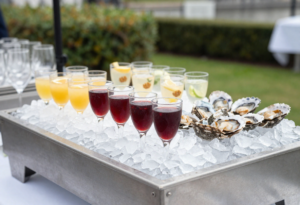
Another advantage is presentation control. Ice blocks create a strong cooling base under buffet trays and beverage stations. They provide steady support without flooding display areas with excess water. Clean presentation improves guest perception and protects food quality.
Professional catering demands reliability. Ice blocks deliver consistent cooling, lower maintenance, and stronger food safety control. This makes them a smart and practical choice for events of all sizes.
Understanding How Ice Blocks Work
To use Ice Blocks for Catering effectively, it is important to understand how they function. Ice blocks cool through a process called heat transfer. Heat naturally moves from warmer items to colder ones. When food sits near an ice block, heat transfers into the ice, causing it to melt slowly.
Because ice blocks are large and dense, they absorb more heat over a longer period. Dense ice forms with fewer air pockets. Fewer air pockets create stronger structural integrity and slower melting. This allows ice blocks to maintain consistent cooling during long events.
Placement also affects performance. Cold air moves downward, so placing ice blocks above food containers can improve cooling efficiency. Caterers often use layered setups. They place ice blocks at the bottom of insulated containers, add food trays, and then position additional blocks on top. This traps cold air within the storage area.
Insulation plays a critical role. High-quality coolers or insulated food carriers reduce external heat exposure. Combining proper insulation with ice blocks significantly extends cooling time.
Another important factor is drainage. As ice melts, water can accumulate. Elevating food containers slightly above the ice prevents direct contact with meltwater. This protects packaging and maintains hygiene standards.
Understanding these basic principles helps catering teams maximize cooling performance. When used correctly, ice blocks provide steady and controlled temperature management throughout the event.
Best Practices for Storing and Handling Ice Blocks
Proper storage and handling ensure Ice Blocks for Catering perform at their best. Poor preparation can reduce cooling time and create unnecessary waste. Caterers must treat ice as an essential food safety tool, not just a convenience.
Start with full freezing time. Ice blocks require at least 24 to 48 hours to freeze completely, depending on size. A partially frozen block melts faster and delivers weaker cooling. Always verify that blocks are solid before transporting them to an event.
Use insulated containers during transport. Exposure to warm air before the event shortens performance time. High-quality coolers with tight seals prevent premature melting. Keep coolers closed as much as possible to maintain internal temperature.
Hygiene also matters. Ice that comes into contact with food surfaces must meet food-grade standards. Store ice blocks in clean, sealed bags or dedicated containers. Avoid placing ice directly on unpackaged food items.
Handling procedures should reduce contamination risks. Staff should wear gloves when positioning ice around food trays. This protects both the ice and the food from external contaminants.
Positioning at the venue is equally important. Place ice blocks strategically to maximize cold air flow. Avoid stacking food tightly without airflow space. Cold air needs room to circulate around trays and containers.
By following these best practices, catering teams extend ice life and maintain professional hygiene standards. Careful handling directly improves performance and food safety compliance.
Using Ice Blocks for Food Safety Compliance
Food safety regulations require strict temperature control. Hot foods must remain hot, and cold foods must stay below safe temperature limits. Ice Blocks for Catering help maintain these standards throughout service.
Cold foods such as salads, seafood, dairy products, and desserts must remain below 5°C to prevent bacterial growth. Bacteria multiply rapidly in what experts call the temperature danger zone, which ranges between 5°C and 60°C. Maintaining cold temperatures keeps food outside this risk range.
Ice blocks provide stable cooling for buffet displays and storage units. Their slow melting rate supports consistent temperature control over extended periods. This reduces the risk of food entering unsafe conditions during service.
Caterers should use food thermometers to monitor temperatures regularly. Do not rely on ice presence alone. Even with ice blocks, frequent checking ensures compliance with local health regulations.
Elevated trays and proper drainage systems prevent food from sitting in meltwater. Direct contact with water can cause cross-contamination. Maintaining dry and controlled setups strengthens hygiene standards.
Documentation also supports compliance. Record temperature checks during large events. Clear records demonstrate responsibility and professionalism if inspections occur.
Ice blocks serve as a reliable foundation for food safety management. When combined with monitoring and proper setup, they protect both guests and the catering brand.
Maximizing Efficiency During Large Events
Large-scale catering events require precise coordination. Weddings, corporate galas, and outdoor festivals often serve hundreds of guests within a limited time frame. Ice Blocks for Catering help streamline cooling logistics and reduce last-minute stress.
One effective strategy involves pre-planning ice quantities based on event duration and guest count. Larger events require more cooling support, especially for beverage stations and buffet displays. Preparing extra ice blocks ensures uninterrupted service even if temperatures rise.
Staging also improves efficiency. Keep backup ice blocks in insulated storage areas near the service zone. When one block melts down, staff can replace it quickly without leaving their stations for long periods. This minimizes service interruptions.
Another efficiency method involves zoning. Separate food storage coolers from beverage coolers. This reduces frequent opening of the same container. Every time a cooler opens, warm air enters and speeds up melting. Dedicated zones maintain more stable temperatures.
Ice blocks also support clean buffet design. Place blocks beneath chafing dish inserts or inside decorative display frames designed for cold service. This keeps presentation professional while ensuring steady cooling underneath.
Staff training plays a critical role. Team members should understand how to position ice correctly and monitor temperatures consistently. Clear communication prevents confusion during peak service times.
When caterers use ice blocks strategically, they reduce operational stress and maintain strong service flow. Efficient cooling systems allow teams to focus on guest experience rather than emergency replacements.
Common Mistakes to Avoid When Using Ice Blocks
Even with the benefits of Ice Blocks for Catering, improper use can limit performance. Avoiding common mistakes ensures maximum efficiency and safety.
One frequent error is underestimating the number of ice blocks required. Insufficient cooling leads to rapid temperature rise. Always calculate conservatively and prepare extra blocks when possible.
Another mistake involves poor placement. Placing ice only at the bottom without proper layering limits airflow. Cold air must circulate around food containers to maintain stable temperatures. Use layered positioning for better results.
Failing to elevate food above meltwater also creates hygiene risks. Water accumulation can weaken packaging and increase contamination risk. Use racks or trays to keep food elevated above the ice base.
Some caterers rely solely on visual checks instead of temperature monitoring. Visible ice does not guarantee safe internal food temperatures. Always use thermometers to confirm compliance.
Opening coolers too frequently reduces cooling efficiency. Assign specific staff to manage storage areas and minimize unnecessary access. Controlled handling preserves ice longevity.
Finally, avoid using partially frozen blocks. Soft or thin blocks melt quickly and fail to provide consistent cooling. Proper freezing time remains essential for strong performance.
By avoiding these common mistakes, catering teams protect food quality, guest safety, and operational efficiency.
Conclusion
Catering success depends on preparation, food safety, and smooth execution. Temperature control plays a central role in delivering high-quality service.
Ice Blocks for Catering offer long-lasting cooling, improved cost efficiency, and reliable food safety support. Their slow melting rate and strong structural integrity make them ideal for events of all sizes.
When used with proper storage, placement, and monitoring, ice blocks enhance both operational performance and guest satisfaction. Investing time in correct usage ensures every event runs smoothly and safely.