
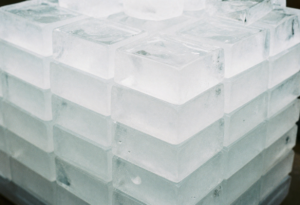
For any outdoor activity in Dubai, from a desert safari to a beachside barbecue, a reliable cooler is essential. Yet, in the relentless heat, ordinary ice cubes and bags of pellet ice often disappoint, melting away rapidly and leaving your drinks and food warm. The solution lies in a simpler, more powerful tool: the solid ice block. This traditional cooling method is experiencing a well-deserved revival for its unmatched ability to provide long-lasting, consistent cold. An ice block offers superior thermal mass and a slower melt rate, turning your cooler into a durable cold-hold system capable of surviving the UAE’s extreme temperatures. This guide will explore why ice blocks are the secret weapon for extended cooling, how to select and use them effectively, and where to find them in Dubai, ensuring your next outdoor adventure is refreshingly cool from start to finish.
Why Ice Blocks Outperform Cubes and Pellets in the Dubai Heat
In the battle against Dubai’s high ambient temperatures, the design of your cooling medium matters greatly. Ice cubes and small pellets have a very high surface area relative to their volume. This means more of the ice is exposed to the warm air inside your cooler every time you open the lid. This large surface area causes them to melt at a dramatically faster rate, quickly turning into a pool of cold water that then accelerates the melting of the remaining ice. Furthermore, this water can soak and potentially spoil food items not sealed in waterproof containers. Ice blocks, by contrast, present a much lower surface area to volume ratio. A solid, dense block melts from the outside in, maintaining its core frozen for a significantly longer period.
This structural advantage translates directly to cooling performance and duration. The solid block acts as a stable thermal battery, releasing cold steadily over many hours. It keeps the overall temperature inside the cooler more consistent, avoiding the rapid warming that occurs when cubes fully liquefy. This consistency is critical for food safety, ensuring perishable items remain in a safe temperature zone. The meltwater produced is also slower and more manageable, often staying as a cold layer at the bottom of the cooler without immediately flooding everything. For long-duration events like a full-day fishing trip, a weekend camping excursion in Hatta, or a large outdoor party, starting with a foundation of one or two large ice blocks provides a resilient cold base that can then be supplemented with cubes for quick drink chilling, creating a perfect two-tier cooling system.
The Science of Sustained Cooling: Mass and Melting Rate
The long-lasting power of an ice block is governed by fundamental principles of physics, specifically thermal mass and the latent heat of fusion. Thermal mass refers to an object’s ability to absorb and store heat energy. A large, dense ice block possesses a high thermal mass. This means it can absorb a substantial amount of heat from the warmer environment inside your cooler before its own temperature changes significantly. The process of melting, however, is where the real magic happens. To change state from solid ice to liquid water, the ice must absorb energy known as the latent heat of fusion. Water has a very high value for this property, requiring a significant amount of energy to melt even a small amount.
A one-kilogram ice block must absorb approximately 334 kilojoules of energy from its surroundings just to melt completely, all while remaining at a constant 0°C until the very last bit turns to water. This consistent absorption of heat is what keeps your cooler’s interior cold for an extended duration. The larger the mass of the block, the more total latent heat energy it can absorb before disappearing. This explains why a single five-kilogram block will outlast five individual one-kilogram blocks; the larger mass has less combined surface area and a greater core that is insulated by its own outer layers. Understanding this science informs your strategy: you want the largest block that fits conveniently in your cooler, as its inherent properties will guarantee the slowest, most efficient release of cooling power, effectively fighting the constant heat influx from Dubai’s climate.
Choosing the Right Ice Block: Shape, Size, and Purity
Selecting the optimal ice block for your cooler is not a one-size-fits-all decision; it requires consideration of shape, size, and the quality of the ice itself. The shape of the block should complement the interior dimensions of your cooler. Rectangular or square blocks are ideal for standard coolers, as they fit snugly against the walls, minimizing wasted air space that warms up quickly. Some suppliers offer cylindrical blocks, which are excellent for round beverage tubs or for placing in the center of a large cooler. The key is to maximize contact between the block and the items you wish to cool while ensuring you can still close the lid securely without forcing it, which could damage your cooler’s seal.
Size is the most critical factor for duration. A good rule is to allocate at least one kilogram of block ice for every 10 to 15 litres of cooler capacity for a day-long outing in hot weather. For a standard 50-litre cooler, a four to five-kilogram block forms a perfect foundation. For larger expeditions or commercial catering boxes, blocks weighing ten kilograms or more are available. Purity is another essential consideration. You should seek out clear, solid blocks made from filtered water. Cloudy or bubbly ice contains trapped air, which reduces its density and thermal mass, causing it to melt faster. Food-grade clarity is also important if the meltwater might come into contact with food items. Avoid using homemade blocks frozen in plastic containers if they are thin, as they will fracture easily and melt quickly; commercially made blocks are frozen in a way that creates a dense, solid crystal structure ideal for long-lasting cooling.
Strategic Packing: Maximizing Cooler Efficiency with Blocks
Packing your cooler correctly is just as important as choosing the right ice block. A strategic approach locks in the cold and maximizes the lifespan of your ice. The first and most crucial step is to pre-chill your cooler and all contents for at least a few hours beforehand. Placing a warm drink or food item directly against your ice block wastes its cooling energy on lowering that item’s temperature instead of maintaining a cold environment. Start by placing your large ice block at the bottom of the empty, pre-chilled cooler. This positioning is effective because cold air sinks, and the block will cool from the bottom up. If you have a second, smaller block, you can place it on top of your items later in the packing order.
Next, pack your items in order of need and sensitivity. Place items that you need to keep the coldest and that are most perishable, like raw meat or seafood, directly against or immediately above the ice block. Use waterproof containers or double-bagging to protect them from meltwater. Then, add other food items and drinks. Fill every possible air gap with loose items, crumpled paper, or even towels to minimize the volume of warm air that circulates. The goal is to create a tightly packed, insulated mass. Finally, if you are using supplementary ice cubes for quick drink access, add them in a bag or container on the very top. This layered method ensures the block’s powerful, sustained cooling works on the most critical items first, while the cubes handle the frequent opening of the lid for drinks. Remember the golden rule: a full cooler stays cold much longer than a half-empty one.
Sourcing Ice Blocks in Dubai: Suppliers and Delivery Options
Finding a reliable source for large, dense ice blocks is a straightforward process in Dubai, thanks to the city’s robust catering and industrial supply chains. Your primary sources will be industrial ice plants and specialized catering suppliers. These companies produce clear, solid block ice in standardised weights, typically ranging from small one-kilogram bricks to large blocks of five, ten, or even twenty-five kilograms. Many of these suppliers cater directly to the hospitality and event industry, ensuring the ice is of food-grade quality, made from filtered water, and perfect for cooler use. A quick online search for terms like “block ice supplier Dubai” or “industrial ice company Dubai” will yield several established vendors.
Delivery is a key service to inquire about. Most reputable suppliers offer delivery, which is highly recommended due to the weight and bulk of the blocks. When contacting a supplier, clearly state you need solid block ice for cooler use, not dry ice or crushed ice. Confirm the available sizes, prices, and minimum order quantities, as some may have a minimum weight for delivery. Schedule the delivery as close to your departure time as possible to minimise pre-melting. Some companies even offer subscription or regular delivery services for businesses or individuals who host frequent outdoor events. For those who prefer to collect, ensure your vehicle can accommodate the heavy blocks, and bring sturdy containers or towels to handle them. Building a relationship with a local supplier guarantees you have access to this essential resource whenever a desert trip or beach party is on the calendar.
Essential Applications: From Desert Safaris to Beach Parties
The versatility of ice blocks makes them indispensable for a wide range of outdoor activities that define life in Dubai. For a desert safari, whether a self-driven adventure or an organised tour, an ice-block-cooled cooler is non-negotiable. The block’s slow melt rate ensures your water and beverages remain refreshingly cold throughout the day’s intense heat and into the evening barbecue, far outlasting any bag of cube ice. It also keeps food safety intact for picnic lunches in the dunes. For beach days and boat trips, where the sun reflects off sand and water, a cooler with a solid ice foundation protects drinks and snacks from rapid warming, providing a constant source of cold refreshment without the mess of watery, half-melted cubes.
Beyond leisure, ice blocks are crucial for catered events and large gatherings. Hosting a birthday party in a park, a corporate team-building event outdoors, or a large family barbecue becomes significantly easier with the reliable cooling of multiple large blocks in separate coolers designated for drinks, food, and desserts. They are also perfect for fishing trips, where preserving the day’s catch in a cold, moist environment is critical until you return to shore. For camping trips in Hatta or longer road trips across the UAE, starting your journey with a large block in a high-quality cooler can provide cold storage for multiple days with minimal ice top-up. In every scenario, the ice block transitions from a simple cooling tool to an essential piece of equipment that guarantees comfort, convenience, and safety for your food and drinks.
Pro Tips for Pre-Chilling and Maintaining Temperature
Achieving the absolute maximum cooling duration from your ice block requires proactive preparation and smart habits during use. The most impactful tip is the pre-chilling of everything. At least twelve to twenty-four hours before your trip, place the empty cooler in a cold area or blast it with a bag of sacrificial ice cubes to lower its internal temperature. Simultaneously, refrigerate or even freeze all your drinks and food items. Starting with everything as cold as possible means your precious ice block expends zero energy on initially cooling its contents; its entire thermal capacity is dedicated to maintaining an already-low temperature against external heat. This single step can extend your cooling window by several hours.
During the event, minimize lid openings as much as possible. Every time you open the cooler, a massive volume of hot, humid Dubai air rushes in, which the ice must then work to cool down. Organize your cooler with frequently needed drinks in an easy-access top layer or in a separate small cooler dedicated to drinks. Use a dedicated cooler for food that you will only open at mealtimes. If you have a large block, you can replenish its cooling power by adding frozen water bottles or gel packs around it as it shrinks, which helps maintain thermal mass. Finally, keep the cooler shielded from direct sun. Place it in the shade, under a table, or cover it with a reflective survival blanket or a damp towel. The towel technique leverages evaporative cooling; as the water in the towel evaporates, it draws heat away from the cooler’s exterior. These combined strategies ensure your ice block works at peak efficiency, delivering long-lasting cold exactly when you need it most.
Conclusion
Mastering the use of ice blocks transforms your cooler from a simple container into a reliable, long-lasting cooling system perfectly suited for Dubai’s climate. By choosing dense, clear blocks for their superior thermal mass and slow melt rate, you gain a decisive advantage over ordinary ice. Strategic sourcing from local suppliers and expert packing techniques that prioritize pre-chilling and tight organization further unlock their full potential. Whether you’re navigating the dunes, relaxing on the beach, or hosting a large gathering, the humble ice block proves to be an indispensable tool for ensuring refreshments stay cold and food remains safe. Embrace this effective, time-tested method to enhance every outdoor occasion, guaranteeing comfort and convenience no matter how high the temperature rises.