
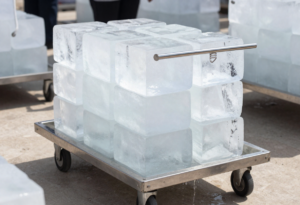
Hosting an outdoor event in Dubai is an exercise in ambitious planning, where the magnificent skyline and stunning venues meet one formidable opponent: the intense desert heat. Ensuring guest comfort is not merely a courtesy; it is the critical factor that determines the success of any garden party, poolside soiree, desert gala, or open-air festival. While misting fans and shaded areas provide baseline relief, they often struggle against the sheer thermal mass of Dubai’s summer climate. This is where a classic, powerful, and surprisingly versatile solution comes into play: the industrial ice block. Far more than just a chunk of frozen water, a strategically deployed ice block acts as a massive, passive cooling unit, radiating cold air and creating localized microclimates of comfort. This guide explores how to effectively harness ice blocks to beat the heat, detailing the science, strategic applications, and essential logistics to transform your outdoor event from a battle against the elements into a cool, comfortable, and memorable experience.
The Physics of Cooling: How Large Ice Blocks Work Outdoors
An ice block’s power lies in the fundamental physics of phase change, specifically the latent heat of fusion. This is the substantial amount of energy required to change a substance from a solid to a liquid without changing its temperature. When you place a massive ice block in a warm environment, it does not just get warm; it actively absorbs a tremendous amount of thermal energy from its surroundings to fuel its melting process. This energy absorption directly cools the air and surfaces in immediate contact with the block. Unlike a small ice cube that vanishes quickly, a large industrial block, often weighing 25 kilograms or more, has immense thermal mass. It releases its cooling potential slowly and steadily over many hours, acting as a consistent, reliable heat sink.
The cooling effect operates through two primary methods: radiant cooling and convection. Radiant cooling occurs as the cold surface of the ice block lowers the temperature of objects and people near it through infrared energy exchange. You feel cooler simply by standing near it. Convection drives air movement. The air immediately touching the block becomes chilled, denser, and heavier. This cold air then sinks, displacing warmer air upward and creating a natural, gentle circulation of cooler air around the block’s location. By placing blocks in strategic zones and enhancing this effect with low-speed fans, you can channel this cool air flow toward seating areas or food stations. This passive system requires no electricity beyond initial freezing, making it a silent, elegant, and highly effective method to create pockets of refreshing comfort in an otherwise sweltering outdoor space.
Why Traditional Cooling Fails: The Dubai Heat Challenge
Dubai’s climate presents unique obstacles that render many common cooling methods insufficient for prolonged outdoor comfort. Standard electric fans simply move hot air around; they provide a breeze but do not lower the ambient temperature, and in peak humidity, they can feel like a hair dryer. Misting fan systems, which spray a fine water vapor, rely on evaporative cooling. While effective in dry heat, their efficiency plummets during Dubai’s periods of high humidity, as the air is already saturated with moisture, preventing evaporation. Furthermore, these systems require a significant water supply, plumbing, and power, and they can leave surfaces damp. Portable air-conditioning units designed for outdoor use exist but are often prohibitively loud, energy-intensive, require bulky generator setups, and only cool a very confined area directly in front of the unit.
In contrast, large ice blocks address these shortcomings directly. They provide active, radiant cooling that actually lowers the air temperature in their vicinity, independent of humidity levels. Their operation is completely silent, preserving the ambiance of the event without the constant drone of machinery. They require no electricity on-site, eliminating the need for extra generators or complex power distribution. Their visual presence can also be incorporated into the event’s design as a decorative element, turning a functional cooling solution into a aesthetic feature. Most importantly, they offer a scalable solution; more blocks mean more cooling power and greater coverage. For events where quiet elegance, design integration, and effective, humidity-resistant cooling are priorities, ice blocks provide a robust and reliable answer to the specific challenges posed by the Dubai environment.
Strategic Placement: Creating Cool Zones and Airflow
The effectiveness of ice blocks hinges entirely on intelligent placement. Randomly scattering blocks around a venue wastes their cooling potential. Instead, you must design deliberate “cool zones” aligned with guest flow and activity hubs. The primary strategy involves placing blocks at the upwind side of key areas. Identify the event’s prevailing breeze direction, even if it is slight. Positioning blocks upwind of a VIP lounge, a dining cluster, or a ceremonial stage allows the natural air movement to pick up the chilled air from the melting ice and carry it directly over the area you wish to cool. This passive method leverages nature to distribute the coolness without mechanical assistance.
To amplify and direct this effect, integrate low-speed, quiet fans. Place a fan behind a line of ice blocks to push the curtain of cold air across a seating area. For a central feature like a food display, arrange blocks around its perimeter and use small fans at ground level to circulate the cool air upward, creating a protective microclimate that preserves food and comforts servers. Always consider guest circulation; place blocks near natural congregation points but ensure they do not obstruct main walkways. You can create cooling corridors by lining pathways with blocks, offering guests a refreshing walk between activities. The goal is to think of cold air as a tangible resource, like water, and use placement and airflow to channel it precisely where it provides the maximum comfort and functional benefit for your event.
6 Practical Applications for Ice Blocks at Outdoor Events
Ice blocks are far more versatile than simple ambient coolers. Their application can be tailored to address specific functional and aesthetic needs across an event, providing solutions that enhance guest experience, preserve perishables, and contribute to the overall design narrative. Each application leverages the ice block’s properties of radiant cooling, thermal mass, and visual presence in a unique way, transforming a basic utility into a multi-faceted event asset. The following six applications demonstrate this range, from essential food safety to creating memorable interactive moments.
Decorative Cooling Stations and Bars
This is the most visually striking application. Instead of hiding ice blocks, make them the star of dedicated stations. Build a stunning “ice bar” where drinks are chilled directly in carved-out wells within massive, clear ice blocks. Create elegant cooling stations with sculpted or branded ice blocks placed in decorative troughs or metal basins, surrounded by foliage. Guests naturally gravitate toward these visually cool focal points, and the radiant cooling provides immediate relief. The station serves dual purposes: it is a breathtaking design element and a highly functional climate control hub, encouraging guests to linger comfortably in its vicinity.
Food Preservation Buffets and Displays
Food safety is paramount, and outdoor heat is its greatest enemy. Ice blocks provide an excellent passive cooling solution for buffet lines, dessert displays, and raw bars. For a seafood display, nestle platters of oysters or prawns on a bed of crushed ice sourced from melting blocks. For a buffet, line the undershelves of serving tables with blocks to create a chilled plinth that keeps dishes cool from below. You can also use large, flat blocks as a direct presentation surface for sushi, cheeses, or fruits; the food stays fresh, and the gleaming ice adds a sense of luxury and abundance. This method is far more stable and longer-lasting than small, melting ice cubes scattered on a tray.
VIP Lounge and Seating Area Climate Control
Elevating the guest experience for VIP attendees is a cornerstone of premium events in Dubai. Ice blocks offer a sophisticated, silent method to create a noticeably more comfortable environment in designated premium areas. By strategically placing several large blocks around the perimeter of a VIP lounge, tent, or shaded seating cluster, you create a thermal barrier that mitigates radiant heat from surrounding surfaces like sand, concrete, or tent walls. Positioning low-speed fans to draw air across these blocks and into the seating area actively pumps cool air over guests. This targeted approach ensures the VIP zone has a tangible, refreshing atmosphere distinct from the general event space, reinforcing the sense of exclusivity and thoughtful comfort without the noise and bulk of generator-powered air conditioning units.
Melting Water for Plant & Ground Cooling
An innovative and sustainable secondary use for ice blocks involves harnessing their meltwater. In desert settings or on paved surfaces that radiate stored heat, the ground temperature itself can contribute significantly to guest discomfort. You can direct the meltwater from strategically placed blocks into shallow, decorative trenches lined with pebbles around seating areas or tent perimeters. As the water evaporates from these trenches or from the soil around planted greenery, it provides localized evaporative cooling for the immediate ground and air. This technique not only utilizes the entire resource but also helps keep decorative plants hydrated and healthy throughout the event. It is a clever way to extend the cooling effect beyond the life of the ice itself, addressing the root cause of heat radiating from the ground.
Interactive Guest Experiences and Visual Displays
Ice blocks can transcend their functional role to become central to guest engagement. This application leverages ice as a medium for interaction and art. Consider commissioning a live ice sculptor to carve a block into a stunning centerpiece throughout the event. Guests can watch the transformation, creating a dynamic performance. For a more hands-on experience, set up a station where guests can “chisel” their own ice glassware from small pre-formed blocks or garnish a drink with a custom-etched ice cube. You can also freeze non-toxic flowers, fruits, or LED lights inside clear blocks for a mesmerizing visual display after dark. These interactive and visual uses create memorable photo opportunities, encourage social sharing, and position your event as innovative and thoughtfully curated, directly engaging guests with the cooling element in a fun and artistic way.
Emergency Cooling for Equipment and Personnel
Beyond guest comfort, ice blocks serve a vital role in operational reliability and staff welfare. Sensitive technical equipment, such as DJ gear, lighting consoles, or generator electronics, can overheat and malfunction in direct sun or enclosed tents. Placing a block near air intakes or in the shade beside this equipment provides a steady source of cool air to prevent overheating. For personnel, especially those working in full uniforms in kitchens or service areas, a dedicated staff cooling station with ice blocks and a fan is essential for health and morale. It provides a quick respite zone to prevent heat exhaustion. Having a reserve of ice blocks on hand for these critical support functions is a smart contingency plan, ensuring the event’s operational backbone remains stable and its team protected, which in turn guarantees smoother execution for all guests.
DIY vs. Professional Ice Block Delivery & Management
The choice between creating your own ice blocks and hiring a professional service depends on scale, complexity, and risk tolerance. The DIY approach involves sourcing large food-grade molds, access to industrial freezer space for days, and a means of transporting the heavy, melting blocks to the venue. This path is theoretically possible for very small, casual events but is fraught with hidden challenges. The freezing process for clear, large blocks is difficult without commercial equipment, often resulting in cloudy, brittle ice. The logistics of transport and handling are significant, requiring suitable vehicles, equipment, and labor. The risk of failure—blocks breaking, melting too quickly, or arriving late—is high and falls entirely on you.
Hiring a professional ice supplier is strongly recommended for any event of consequence. A professional service provides guaranteed quality, delivering crystal-clear, durable blocks at a specified time. They handle the entire cold chain logistics with refrigerated transport and often provide equipment like insulated tubs or dollies. Most importantly, they assume the risk and responsibility for the product until it is in your hands. For large events, some companies offer full-service management, including on-site placement and post-event collection. The cost is higher upfront, but it covers expertise, reliability, and insurance. This allows you, the event organizer, to focus on other critical aspects rather than managing a complex freezing and logistics operation. In the context of Dubai’s professional event standards, the certainty and quality provided by a specialist supplier almost always outweigh the perceived savings of a DIY attempt.
Safety and Practical Considerations: Moisture and Slip Hazards
While ice blocks are a passive cooling solution, they introduce active safety considerations that must be managed proactively. The primary risk is the creation of slip hazards from meltwater. As the blocks melt, water will inevitably pool around their base and can seep across walking surfaces. This risk is amplified on polished stone, wooden decks, or tent flooring. The essential mitigation is to always place ice blocks within a contained system. Use large, shallow catch basins, decorative troughs, or even child-sized plastic paddling pools lined with a dark cloth to mask their appearance. Ensure these containers have a lip high enough to contain the anticipated volume of meltwater for the block’s lifespan. Placing absorbent mats around the immediate area provides a secondary safety buffer.
Beyond slipping, consider the structural and surface impacts. A large melting ice block is extremely heavy and can damage delicate landscaping, wooden tables, or uneven ground if not placed on a stable, level surface. Always use a sturdy, waterproof plinth or platform inside the catchment container to elevate the block slightly, preventing it from freezing to the surface below and allowing for easier cleanup. Also, be mindful of electrical safety. Never place blocks where meltwater could drip onto power cables, outlets, or electrical equipment. Clearly mark the perimeter of cooling stations with subtle rope barriers or planters to subtly guide guests away from direct contact with the wet containers. By planning for moisture management from the outset, you harness the cooling benefit while maintaining a safe, clean, and professional environment for all attendees.
Maximizing Longevity: Insulation and Placement Techniques
The operational lifespan of an ice block at an outdoor event in Dubai is a direct function of how well you protect it from the elements. Without intervention, a block can succumb to the heat far quicker than your event timeline requires. The first rule of longevity is strategic placement. Always position blocks in the deepest shade available. Avoid any direct sunlight, as solar radiation accelerates melting exponentially. Seek out natural windbreaks for placement, but not complete stagnation; a gentle breeze is good for distributing cool air, but a strong, hot wind will strip heat from the block’s surface rapidly. The ideal spot is a shaded, slightly sheltered area with access to airflow for cooling distribution.
Active insulation is your most powerful tool. While the block sits in its catchment basin, you can dramatically slow melt rates by covering it with insulating materials when it is not needed for visual display. Specialized insulated ice block covers exist, but a simple and effective method is to use a thick layer of food-safe insulating blankets, such as closed-cell foam pads or even heavy, dry burlap sacks. Drape these over the block during setup or between peak usage periods. For food displays, build a hollow “igloo” of smaller ice cubes or crushed ice around the central block; this outer layer sacrifices itself first, protecting the core thermal mass. Additionally, start with blocks that are as cold as possible. Request your supplier deliver them at the lowest feasible temperature, and have their placement planned for immediate transfer from the refrigerated truck to their final, shaded, insulated position to minimize exposure during setup.
Cost Analysis: Budgeting for Ice Cooling at Scale
Incorporating ice blocks into your event budget requires a holistic view that goes beyond the simple per-block price. The direct costs are relatively straightforward: you pay for the ice itself (typically priced per kilogram or per block), delivery fees, and any rental charges for specialized containers or equipment. For clear, food-grade blocks, expect a premium over standard cloudy ice. However, the true cost analysis must factor in scale, labor, and value. A single block for a decorative cocktail station is a modest line item. Cooling an entire VIP lounge or large buffet line may require a dozen or more blocks, making bulk pricing and delivery efficiency critical. You must also budget for the labor required for on-site handling, placement, and ongoing management, such as refreshing covers or managing meltwater.
The financial assessment should weigh this against the alternatives and the value generated. Compare the total cost of an ice block solution to renting dozens of high-power misting fans or portable air conditioners, including their substantial electricity and generator costs. The ice solution often proves competitive or even more cost-effective for targeted cooling, with the added benefit of being silent and design-friendly. More importantly, consider the value of guest comfort. The cost of ice blocks is an investment in attendee satisfaction, which can translate directly into longer dwell times, positive feedback, and a stronger reputation for hosting considerate, well-managed events. A clear budget should itemize blocks, delivery, equipment rental, and labor, and then contextualize this spend within the overall event design and guest experience objectives, ensuring the cooling strategy is both effective and financially sustainable.
Conclusion
Mastering the use of ice blocks for outdoor events in Dubai is a powerful strategy to conquer the climate and guarantee guest comfort. By understanding the core physics of radiant and convective cooling, you can move beyond guesswork to strategic placement, creating refreshing cool zones that enhance the attendee experience. From stunning decorative bars and vital food preservation to innovative interactive displays and critical equipment cooling, the applications are as practical as they are creative. Navigating local sourcing, prioritizing safety to manage moisture, and employing techniques to maximize ice longevity are all essential components of successful execution. While a DIY approach has its place for small gatherings, professional delivery and management offer reliability and scale for significant events. When budgeted and deployed thoughtfully, ice blocks become more than a utility; they transform into a silent, elegant, and highly effective tool that allows you to host a magnificent outdoor event where the focus remains on celebration, not on combating the heat.