
 Introduction
Outdoor events bring energy, excitement, and fresh air. However, they also create challenges for food and beverage storage. Heat, sunlight, and long serving hours can quickly raise temperatures and spoil products.
Ice Blocks for Outdoor Events provide a simple and reliable cooling solution. They last longer than small ice cubes and help maintain safe temperatures for food and drinks. In this guide, you will learn how ice blocks support efficient cooling and improve event operations.
What Are Ice Blocks and How They Work
Ice blocks are large, solid pieces of frozen water. Unlike small cubes, they melt slowly because they have less surface area exposed to heat. This slow melting process makes them ideal for extended outdoor use.
Ice Blocks for Outdoor Events help maintain low temperatures inside coolers, food stations, and beverage tubs. Their size allows them to provide steady cooling over many hours. This consistency reduces the need for frequent replacements.
Large ice blocks also create a stable cold base. Food trays and beverage containers can sit directly on top of them. This direct contact improves cooling performance compared to scattered cubes.
Why Larger Ice Lasts Longer
Melting speed depends on surface area. Small ice cubes expose more surface to warm air. This causes them to melt quickly.
Large blocks have less exposed surface compared to their volume. As a result, they melt at a slower rate. This helps maintain consistent temperatures throughout the event.
For outdoor setups, slow melting reduces maintenance work. Staff spend less time replacing melted ice and more time serving guests.
Ideal Events for Ice Block Cooling
Ice Blocks for Outdoor Events work well at weddings, festivals, corporate gatherings, and beach parties. These events often last several hours under warm conditions.
Outdoor catering companies rely on large ice blocks for buffet stations. They also use them for drink displays and seafood presentations.
Because ice blocks are simple and cost-effective, they suit both small private parties and large public events.
Why Temperature Control Is Critical at Outdoor Events
Food safety depends on proper temperature control. When food remains in warm conditions for too long, bacteria can grow quickly. This increases the risk of foodborne illness.
Outdoor settings expose food and beverages to direct sunlight and high ambient temperatures. Without effective cooling, products can spoil within hours.
Ice Blocks for Outdoor Events help maintain safe temperature ranges. Keeping cold items below 5 degrees Celsius reduces bacterial growth and preserves quality.
Preventing Food Spoilage
Spoiled food affects both safety and taste. Warm conditions can cause dairy products to sour and meats to deteriorate. Guests will quickly notice changes in smell and texture.
Large ice blocks provide steady cooling under buffet trays. This keeps salads, desserts, and cold appetizers fresh for longer periods.
Reliable cooling protects the reputation of event organizers and catering companies. Safe food handling builds guest trust.
Protecting Beverage Quality
Drinks also suffer in warm environments. Warm beverages lose their refreshing appeal. Ice Blocks for Outdoor Events keep bottled drinks, soft drinks, and juices chilled.
Cold beverages improve guest satisfaction. They also increase drink consumption, which benefits event vendors.
Maintaining consistent drink temperatures supports smooth service during peak hours.
Key Benefits of Using Ice Blocks for Outdoor Events
Ice Blocks for Outdoor Events offer strong advantages compared to regular ice cubes. Their larger size allows them to melt slowly and maintain cooling for extended hours. This makes them ideal for long outdoor gatherings.
One major benefit is reduced maintenance. Staff do not need to refill coolers as often. This improves workflow and allows teams to focus on guest service.
Ice blocks also provide stable support for food trays and beverage containers. Their solid structure prevents uneven surfaces inside coolers and display stations. This improves both presentation and practicality.
Longer Cooling Duration
Large ice blocks maintain low temperatures for many hours. Even under direct sunlight, they melt slower than loose ice. This consistency ensures food remains safe and drinks stay refreshing.
For full-day festivals or outdoor weddings, this long-lasting cooling is essential. It reduces the risk of temperature fluctuations that could compromise food safety.
Event planners often combine ice blocks with insulated containers. This combination maximizes cooling performance and minimizes melting speed.
Cleaner and More Controlled Melting
Small ice cubes melt quickly and create excess water. Too much water can soak packaging and weaken display setups.
Ice Blocks for Outdoor Events melt gradually and create less mess. Because they melt slowly, drainage systems can handle the water more effectively.
Cleaner cooling improves overall presentation. It keeps buffet tables and beverage stations looking organized and professional.
Best Ways to Use Ice Blocks for Food Cooling
Proper placement improves performance. Place ice blocks directly under metal food trays or inside insulated chests. Direct contact allows better heat transfer.
For buffet setups, use deep trays with a bottom layer of ice blocks. Then place food containers on top. This method maintains even cooling throughout the service period.
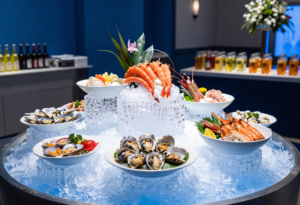
Ice Blocks for Outdoor Events also work well for seafood displays. Caterers often place crushed ice around seafood while using larger blocks underneath to maintain base temperature.
Layering Technique for Maximum Cooling
Start with a thick layer of ice blocks at the bottom of the cooler. Add a protective barrier if needed, such as a food-safe tray or rack.
Place food containers evenly over the cold base. Avoid overcrowding, as airflow helps maintain consistent temperatures.
Close lids when possible to limit exposure to warm air. Every time a cooler opens, warm air enters and increases melting speed.
Shade and Placement Strategies
Always position food stations in shaded areas. Direct sunlight increases melting speed and reduces cooling efficiency.
Tents, umbrellas, or canopies help maintain lower internal temperatures. Combined with Ice Blocks for Outdoor Events, shade significantly improves performance.
Strategic placement reduces waste and supports safe food handling standards.
How Ice Blocks Improve Beverage Service Efficiency
Beverage stations benefit greatly from large ice blocks. They keep bottled drinks cold for longer without constant refilling.
Place ice blocks at the bottom of large drink tubs. Add smaller ice pieces around bottles for faster surface cooling. This combination balances long-term cooling and quick chilling.
Ice Blocks for Outdoor Events reduce operational stress during peak service times. Staff do not need to replace melted ice frequently, which speeds up drink distribution.
Supporting High-Volume Service
Outdoor festivals often serve hundreds of drinks per hour. Quick access to cold beverages improves guest flow and reduces waiting time.
Large ice blocks maintain consistent cold temperatures even when drink tubs open frequently. This helps keep beverages refreshing throughout the event.
Efficient cooling supports higher customer satisfaction and smoother operations.
Reducing Water Buildup
Excess melted ice can submerge bottles and labels. This affects branding and presentation.
Because ice blocks melt slower, they produce less standing water in the early stages. This keeps beverage displays neat and visually appealing.
Maintaining a clean presentation enhances the professional image of the event.
Cost, Logistics, and Event Planning Considerations
Ice Blocks for Outdoor Events are cost-effective. Their long-lasting nature reduces the total quantity required compared to small ice cubes.
Order ice blocks close to the event time to minimize melting before setup. Store them in insulated containers until needed.
Calculate the quantity based on event duration, guest count, and weather conditions. Hot climates require additional cooling support.
Transportation and Storage
Transport ice blocks in insulated trucks or coolers. Minimize exposure to open air during unloading.
Store them in shaded, insulated areas before setup. Quick transfer from storage to display stations preserves maximum cooling capacity.
Efficient logistics reduce waste and maintain event quality.
Planning for Weather Conditions
Monitor weather forecasts before the event. High temperatures or strong sunlight may require additional blocks.
Include extra ice as a safety margin. This ensures uninterrupted cooling even during unexpected heat spikes.
Careful planning ensures Ice Blocks for Outdoor Events perform effectively from start to finish.
Conclusion
Outdoor events demand reliable cooling solutions to protect food and beverage quality. Large ice blocks provide steady, long-lasting cooling that supports food safety and service efficiency.
Ice Blocks for Outdoor Events reduce maintenance, improve presentation, and help maintain safe temperatures under challenging conditions. When combined with shade and proper placement, they create a dependable cooling system.
By planning quantities carefully and using strategic placement methods, event organizers can ensure fresh food, cold drinks, and satisfied guests throughout the entire event.