
 Introduction
Bars thrive on detail. Every ingredient, garnish, and technique shapes the final drink. Yet many people overlook one critical element: ice. Ice is not just frozen water. It controls temperature, dilution, texture, and presentation.
Ice Cubes for Bars play a direct role in cocktail quality. Poor ice melts too quickly, waters down flavors, and weakens the guest experience. High-quality ice, on the other hand, protects balance and enhances visual appeal.
In modern mixology, precision matters. Bartenders craft drinks with exact ratios and timing. Using premium ice ensures that each cocktail tastes as intended from the first sip to the last.
The Role of Ice Cubes for Bars in Drink Quality
Ice does more than chill a beverage. It manages dilution, which is the amount of water added to a drink as ice melts. Controlled dilution softens strong spirits and blends flavors smoothly. Uncontrolled dilution ruins balance.
Ice Cubes for Bars must be dense and solid. Dense ice contains fewer air bubbles, which means it melts more slowly. Slow melting keeps drinks cold without flooding them with excess water. This protects the original flavor profile designed by the bartender.
Low-quality ice often appears cloudy. Cloudiness forms when air and impurities freeze inside the cube. These imperfections create weak spots, causing the ice to crack and melt faster. Faster melting changes the cocktail’s strength and taste within minutes.
Consistency also matters. Uniform ice cubes create predictable dilution rates. Bartenders rely on this consistency when stirring or shaking cocktails. If ice quality varies, results vary too. That inconsistency affects guest satisfaction.
Temperature control is equally important. High-quality ice chills drinks quickly because it starts at a lower core temperature and maintains structure longer. Rapid chilling improves texture and mouthfeel without over-diluting the drink.
In professional bars, ice is treated as an ingredient, not an afterthought. Just like premium spirits or fresh citrus, quality ice enhances every aspect of the cocktail experience.
How Ice Shape and Size Affect Dilution
Ice shape and size directly influence how a drink evolves over time. Smaller cubes have more surface area exposed to liquid. More surface area means faster melting. Faster melting increases dilution.
Ice Cubes for Bars often come in different shapes, such as standard cubes, large cubes, spheres, and crushed ice. Each shape serves a purpose. Large cubes and spheres melt slowly because they have less surface area relative to their volume. This makes them ideal for spirit-forward drinks like whiskey or old fashioneds.
Smaller cubes and crushed ice melt quickly. Bartenders use them intentionally in drinks like juleps or tiki cocktails, where dilution forms part of the recipe. In these cases, rapid melting helps blend flavors and create the desired texture.
The key is control. Professional mixology depends on selecting the right ice for each drink. Using small, fast-melting ice in a spirit-forward cocktail can ruin balance. Using large, slow-melting ice in a drink that requires dilution can make it taste too strong.
Shape also affects presentation. A perfectly cut cube or smooth sphere looks refined and deliberate. It elevates the drink visually while supporting performance.
When bars invest in proper ice molds or commercial ice machines, they gain greater control over drink quality. Understanding the relationship between shape, size, and dilution allows bartenders to craft cocktails with precision and confidence.
The Impact of Ice Clarity on Presentation
In bars and cocktail lounges, presentation shapes perception before the first sip. Guests judge quality instantly by appearance. Cloudy, cracked ice can make even a well-crafted cocktail look ordinary. Clear, polished ice signals precision and professionalism.
Ice Cubes for Bars that appear transparent reflect light beautifully inside the glass. This clarity enhances the natural colors of spirits, mixers, and garnishes. Amber whiskey looks richer. Vibrant cocktails look cleaner and more refined. Visual appeal increases perceived value.
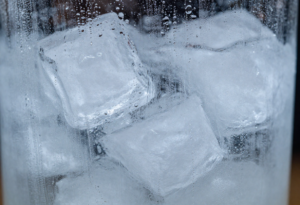
Clarity also connects to purity. Cloudy ice forms when air bubbles and minerals freeze inside the cube. These impurities scatter light and create a white or foggy look. Clear ice forms through controlled freezing and filtered water, which remove trapped air and particles.
Guests often associate clear ice with craft cocktails and high-end service. That association strengthens brand positioning. Even a simple gin and tonic feels elevated when served with crystal-clear cubes.
Social media amplifies this effect. Guests frequently photograph their drinks. Clear ice enhances shine and contrast in photos, making beverages look premium online. Shared images become organic marketing for the bar.
Clarity does more than improve visuals. Dense, clear ice also melts slower because it contains fewer structural weaknesses. This protects flavor balance while maintaining an upscale appearance.
For bars that want to stand out in a competitive market, ice clarity becomes a silent but powerful differentiator.
Temperature Control and Cocktail Balance
Temperature affects flavor more than many guests realize. Colder drinks suppress harsh alcohol notes and highlight subtle aromas. Ice Cubes for Bars must cool efficiently without over-diluting the cocktail.
High-quality ice starts colder and maintains structure longer. This allows bartenders to chill drinks rapidly during shaking or stirring. Quick chilling improves texture and smoothness while limiting unnecessary water addition.
Balance remains central to mixology. A cocktail depends on precise ratios of spirits, sweeteners, bitters, and citrus. If ice melts too quickly, dilution increases and flavor shifts. The drink may taste flat, weak, or overly sweet.
Large, dense cubes maintain low temperatures with minimal melt. This is especially important for spirit-forward drinks served over ice. The guest experiences consistent flavor from the first sip to the last.
In contrast, poorly made ice cracks easily and melts unevenly. Uneven melting creates inconsistent texture and taste. One sip may feel balanced, while the next tastes watered down. Consistency builds trust, and trust keeps guests returning.
Professional bars treat ice selection as part of recipe design. Bartenders choose specific cube sizes and shapes to match each drink’s intended dilution rate. This level of control defines modern mixology standards.
By mastering temperature management through premium ice, bars deliver cocktails that taste intentional and refined.
Operational Efficiency and Cost Management
High-quality Ice Cubes for Bars do more than improve taste and appearance. They also support smoother daily operations. Bars operate in fast-paced environments where speed and consistency matter. Reliable ice reduces delays and improves workflow.
Dense, slow-melting ice reduces the need for constant refills. Bartenders spend less time replacing watered-down drinks. This improves service speed during peak hours and increases overall productivity. Faster service often leads to higher sales volume.
Consistent ice size also supports accurate portion control. When cubes are uniform, bartenders can predict dilution rates more precisely. Predictable dilution protects recipe standards and reduces product waste. Less waste directly improves profit margins.
Breakage is another hidden cost. Low-quality ice often cracks and shatters during scooping. Broken fragments melt quickly and fill ice bins with slush. Slushy ice weakens drink quality and increases waste. Premium ice maintains its shape longer, which improves storage efficiency.
Maintenance costs also matter. Commercial ice machines that produce clear, dense cubes often use filtered water systems. Filtered water reduces mineral buildup inside equipment. Less buildup means fewer repairs and longer machine lifespan.
Investing in better ice may seem like a small upgrade, but the operational benefits add up. Improved efficiency, lower waste, and better consistency strengthen overall financial performance.
Enhancing Brand Image Through Premium Ice
Brand image shapes customer loyalty. Guests choose bars not only for drinks but for experience. Every detail communicates brand identity, including the ice inside the glass.
Ice Cubes for Bars contribute to premium positioning. Clear, well-shaped cubes signal craftsmanship and attention to detail. Guests notice when a bar invests in quality ingredients and presentation.
Premium ice aligns with the rise of craft cocktail culture. Modern consumers appreciate authenticity and expertise. When bartenders explain why they use large clear cubes or custom spheres, guests feel engaged and informed. Education adds value to the experience.
Signature ice shapes also create differentiation. Some bars use logo-engraved cubes or specialty molds. These details make drinks memorable and reinforce branding. Guests remember unique experiences and are more likely to return.
Online visibility strengthens brand recognition. Visually striking cocktails featuring crystal-clear ice attract attention on social media platforms. Shared images extend marketing reach beyond the bar itself.
In competitive nightlife markets, small upgrades create strong advantages. Premium ice communicates professionalism without major renovation costs. It strengthens perception, supports pricing strategy, and builds long-term loyalty.
Conclusion
Ice plays a critical role in modern mixology. It controls dilution, temperature, texture, and presentation.
Ice Cubes for Bars influence both flavor and guest perception. High-quality ice melts slowly, preserves cocktail balance, and enhances visual appeal. It also improves operational efficiency and reduces waste.
Bars that treat ice as a key ingredient elevate the entire drinking experience. In a competitive industry, attention to detail defines success. Investing in premium ice transforms ordinary drinks into memorable moments.