
Introduction
Ice may seem like a small detail, but it can make or break a party. Warm drinks, melted displays, and constant refills create stress for hosts. Proper planning ensures smooth service and happy guests.
Choosing the right amount of Ice Cubes for Parties keeps beverages cold, prevents last-minute shortages, and helps you stay organized. This guide explains how to calculate your ice needs with confidence.
Understanding Why Ice Cubes for Parties Matter
Ice does more than chill drinks. It controls temperature, reduces dilution, and supports food safety. When you plan correctly, you improve both comfort and presentation.
Ice Cubes for Parties play a key role in beverage quality. Large cubes melt slowly and maintain drink strength. Smaller cubes cool drinks quickly but may water them down faster. The wrong choice can affect taste and guest satisfaction.
Ice also helps maintain hygiene. Cold temperatures slow bacterial growth. This matters for outdoor events, where heat can quickly raise drink and food temperatures. Keeping beverages below safe temperature limits protects your guests.
Beyond function, ice supports visual appeal. Clear, solid cubes elevate the look of cocktails and soft drinks. Clean ice bins and well-organized beverage stations create a professional atmosphere. Guests notice these details.
Running out of ice causes disruption. Guests wait for refills, and hosts scramble to find emergency supplies. Planning ahead prevents stress and allows you to focus on enjoying the event.
Proper ice preparation supports efficiency. When ice stations are organized, guests can serve themselves easily. This reduces bottlenecks and keeps the party flowing smoothly.
Understanding the importance of Ice Cubes for Parties helps you treat ice as an essential part of event planning, not an afterthought.
Factors That Affect How Much Ice You Need
Several factors influence how much Ice Cubes for Parties you should prepare. Guest count is the most obvious, but it is not the only consideration.
Event duration matters. A two-hour gathering requires less ice than a five-hour celebration. The longer the event runs, the more ice you will need for refills and replacements.
Weather plays a major role. Outdoor summer parties require more ice because heat accelerates melting. Sun exposure can double melting speed compared to indoor, air-conditioned environments.
Drink type also impacts ice demand. Cocktails, iced soft drinks, and mixed beverages require more ice than bottled water or canned drinks. Events focused on alcoholic beverages typically consume higher quantities of ice.
Self-service setups increase usage. When guests scoop their own ice, they often take more than needed. Staff-controlled service usually reduces waste.
Storage conditions affect melting rate. Insulated coolers preserve ice longer than open containers. Frequent opening of coolers allows warm air inside, which speeds up melting.
Considering these variables helps you estimate accurately. Rather than guessing, you can plan Ice Cubes for Parties based on real conditions and avoid costly shortages.
How to Calculate Ice Based on Guest Count
A clear formula helps you plan Ice Cubes for Parties with confidence. For most events, you should prepare about 1 to 1.5 kilograms of ice per guest for a 3–4 hour party. This amount covers beverage use and light chilling needs.
If your party focuses heavily on cocktails or mixed drinks, increase that estimate to 1.5 to 2 kilograms per guest. Cocktail preparation uses more ice because bartenders shake or stir drinks with ice before serving them over fresh cubes. That process doubles ice usage.
For shorter gatherings under two hours, you can reduce the estimate slightly. Around 0.5 to 1 kilogram per guest may be enough if drinks are simple and the event stays indoors. Always adjust upward for outdoor settings or warm climates.
It is also wise to separate ice into two categories: serving ice and cooling ice. Serving ice goes directly into drinks. Cooling ice surrounds bottled beverages in tubs or coolers. Many hosts forget to calculate cooling ice, which leads to shortages during peak hours.
If you expect 50 guests at a four-hour outdoor party with cocktails, you may need around 75 kilograms of ice. This includes both drink preparation and beverage chilling. Planning this way prevents emergency store runs.
Always round up your estimate. Extra ice rarely goes to waste. Running out of ice damages the guest experience and creates unnecessary stress.
Accurate calculation ensures you stay prepared and relaxed throughout the event.
Ice Requirements for Different Types of Drinks
Different beverages require different amounts of Ice Cubes for Parties. Understanding this helps you refine your estimate.
Cocktails require the most ice. Bartenders use ice for shaking, stirring, and serving. Shaking chills the drink while also diluting it slightly for balance. Stirring blends ingredients smoothly without clouding the liquid. Each step consumes additional cubes.
Spirits served on the rocks use large, slow-melting cubes. These cubes preserve flavor by limiting dilution. Although fewer cubes go into each glass, their size increases overall ice volume requirements.
Soft drinks and juices typically use medium cubes. Guests often refill these drinks multiple times, which increases consumption over time. Plan generously if you expect children or non-drinkers who prefer soft beverages.
Wine and beer require less ice if served chilled from refrigeration. However, outdoor parties often use ice buckets to maintain temperature. These buckets need consistent refilling throughout the event.
Water stations also consume more ice than many hosts expect. Guests frequently add fresh cubes to keep water cold, especially during warm weather.
By analyzing your drink menu, you can better predict ice demand. Matching ice type and quantity to beverage selection ensures steady service and satisfied guests.
Indoor vs Outdoor Party Ice Planning
The location of your event strongly affects how much Ice Cubes for Parties you need. Indoor parties usually require less ice because air conditioning slows melting. Outdoor parties demand more planning due to heat, sunlight, and humidity.
At indoor events, ice stored in insulated coolers can last for hours with minimal loss. You still need proper containers with drainage to remove meltwater. Standing water speeds up melting and reduces ice quality.
Outdoor events require extra preparation. Direct sunlight increases melting speed quickly. Even high-quality ice disappears fast under strong sun exposure. Position beverage stations in shaded areas whenever possible. Use reflective or insulated covers on coolers to reduce heat absorption.
Wind also plays a role. Warm wind accelerates melting by constantly replacing cool air around the ice with warmer air. Keep coolers closed when not in use to preserve temperature. Assign someone to monitor ice levels regularly.
For outdoor summer parties, increase your estimate by at least 25–50 percent. This buffer protects against unexpected heat waves or extended event hours. It is better to have extra Ice Cubes for Parties than to run out halfway through the celebration.
Planning based on environment ensures stable cooling performance and consistent drink quality.
Best Practices for Storing and Serving Ice
Proper storage keeps Ice Cubes for Parties clean and long-lasting. Always use insulated coolers or commercial ice bins. Avoid thin plastic containers that allow heat to pass through quickly.
Drain meltwater regularly. Ice melts faster when submerged in water because water transfers heat efficiently. Keeping ice dry inside the cooler extends its lifespan.
Use a dedicated ice scoop. Never use glasses or hands to handle ice. This protects hygiene and prevents contamination. Keep the scoop stored outside the ice with the handle upright to maintain cleanliness.
Divide ice into smaller containers during service. Large coolers opened repeatedly lose cold air quickly. Smaller service bins reduce exposure and improve efficiency. Refill them as needed from the main supply.
If possible, separate serving ice from cooling ice. Ice used to chill bottles may contain debris from labels or packaging. Keeping drink ice separate ensures better quality and presentation.
These simple practices help maintain clean, solid ice throughout the event and reduce waste.
Common Ice Planning Mistakes to Avoid
Many hosts underestimate how much Ice Cubes for Parties they need. This is the most common mistake. Always calculate based on guest count, drink type, duration, and weather.
Another error is ignoring backup storage. Ice left in open bags melts faster than expected. Without insulated containers, your supply may shrink before guests arrive.
Failing to plan for peak serving times can also create shortages. Ice consumption often spikes during the first hour and after meal service. Monitor supply levels during these periods.
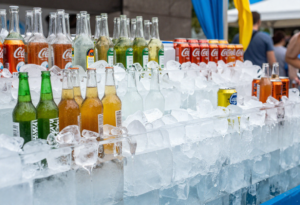
Some hosts focus only on drink ice and forget cooling stations. Beverage tubs, seafood trays, and dessert displays all require additional ice. Overlooking these needs leads to uneven temperature control.
Finally, relying on last-minute purchases can be risky. Local stores may sell out during busy weekends or holidays. Pre-ordering ensures availability and peace of mind.
Avoiding these mistakes guarantees a smooth and enjoyable event.
Conclusion
Ice may seem simple, but proper planning makes a big difference. By calculating based on guest count, drink selection, event duration, and location, you can estimate Ice Cubes for Parties accurately.
Indoor and outdoor conditions require different strategies. Storage methods, hygiene practices, and backup planning also affect performance. When you prepare carefully, drinks stay cold, service flows smoothly, and guests remain comfortable.
With the right approach, you can host your party with confidence and avoid the stress of running out of ice.