
Introduction
In restaurants, presentation is everything. Guests often judge the quality of a beverage before taking the first sip. From the clarity of the glass to the garnish placement, every detail contributes to the overall dining experience. One element that significantly influences visual appeal is ice.
Ice Cubes for Restaurants do far more than chill beverages. They enhance aesthetics, support brand image, and influence how customers perceive quality. Choosing the right ice can transform an ordinary drink into a visually striking presentation.
This guide explores how selecting the proper ice cubes improves beverage presentation and elevates the dining experience.
Why Ice Cubes for Restaurants Matter Beyond Cooling
Ice plays both a functional and visual role in restaurants. While its primary job is temperature control, its appearance directly affects perception.
Ice Cubes for Restaurants help maintain drink structure and prevent rapid dilution. However, they also act as a visual centerpiece in many beverages. Clear, well-shaped cubes reflect light beautifully and create a premium look. Cloudy or uneven ice, on the other hand, can make even a high-quality drink appear less refined.
Guests associate clarity and precision with professionalism. When drinks look clean and well-crafted, customers assume similar attention to detail applies to the kitchen. Ice therefore contributes indirectly to overall brand reputation.
Consistency also matters. When every beverage looks uniform, it reinforces quality standards. Reliable ice selection helps maintain this visual consistency across all service hours.
In competitive dining environments, small visual details influence customer satisfaction and social media sharing. Well-presented drinks are more likely to be photographed and shared online, providing organic marketing value.
The Visual Impact of Ice in Beverage Presentation
The appearance of ice influences how light interacts with a drink. Clear ice allows vibrant colors to shine through. This enhances cocktails, juices, mocktails, and even simple sparkling water.
Ice Cubes for Restaurants that are dense and transparent create a polished finish. They avoid air bubbles that make drinks look cloudy. Transparent cubes provide a refined, upscale impression suitable for fine dining establishments.
The size of ice also shapes presentation. Larger cubes create a bold focal point in the glass. They suggest sophistication and careful craftsmanship. Smaller cubes, while practical, create a more casual aesthetic.
Texture plays a role as well. Crushed ice adds a dynamic, textured appearance that suits tropical or specialty beverages. Nugget ice creates a softer, modern look that appeals to casual dining settings.
In short, ice contributes to the first visual impression of a beverage. Restaurants that carefully select ice types enhance both elegance and consistency.
Different Ice Cube Types and Their Aesthetic Value
Standard Cubes
Standard cubes are practical and versatile. They suit everyday beverages and maintain a clean, simple look. While not dramatic, they support uniform presentation across high-volume service.
Large Clear Cubes
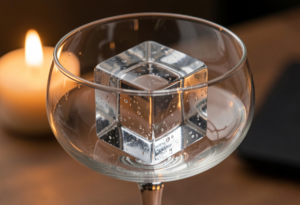
Large clear cubes deliver a premium appearance. Their transparency and size create a striking visual impact, especially in cocktails and premium spirits. These cubes often become the centerpiece of the drink.
Sphere Ice
Sphere ice adds sophistication and uniqueness. Its rounded shape softens visual lines and enhances elegance. It is often used in upscale settings for specialty drinks.
Crushed Ice
Crushed ice creates texture and visual energy. It works well in colorful cocktails and dessert-style beverages. However, it gives a more casual presentation compared to solid cubes.
Nugget Ice
Nugget ice offers a contemporary look. Its small, uniform pieces create a full-glass appearance that appeals to modern casual dining.
Choosing the right Ice Cubes for Restaurants depends on the brand identity and beverage style offered.
How Ice Clarity Enhances Drink Appeal
Clarity is one of the most important visual qualities of Ice Cubes for Restaurants. Clear ice appears clean, refined, and professional. It allows the true color of the beverage to stand out without distortion.
Cloudy ice forms when air bubbles and impurities are trapped during freezing. This gives drinks a dull appearance. While it still functions for cooling, it does not deliver the same visual elegance as transparent ice.
Clear ice reflects and refracts light beautifully. In well-lit dining environments, this creates sparkle and depth inside the glass. For cocktails with layered colors or garnishes, clarity enhances contrast and detail.
Guests often associate clear ice with higher quality and attention to detail. In fine dining or upscale casual restaurants, this perception supports premium pricing and brand positioning.
Even simple beverages like iced tea, lemonade, or sparkling water look more refined when served with clear Ice Cubes for Restaurants. Small improvements in clarity can significantly elevate overall presentation.
The Role of Ice Size and Shape in Glassware Presentation
Ice should complement the glassware, not overwhelm it. The size and shape of Ice Cubes for Restaurants must align with the type of drink and the style of the glass.
Large cubes work well in short, wide glasses such as those used for spirits. They create a bold centerpiece and maintain structural balance in the glass. Because they melt slowly, they also preserve the drink’s flavor profile.
Medium cubes are ideal for tall glasses used for soft drinks, juices, and mixed beverages. They distribute evenly and create a uniform, full appearance.
Sphere ice introduces elegance and symmetry. Its smooth curves contrast with angular glass shapes, adding visual interest.
Crushed ice fills the entire glass and supports layered drinks. It pairs well with tropical or dessert-style beverages where texture enhances the overall look.
When ice matches the proportions of the glass, the presentation feels intentional and polished. Poorly sized ice can make drinks look overcrowded or sparse.
Balancing Presentation and Practical Performance
While visual appeal is important, restaurants must also consider efficiency. Ice Cubes for Restaurants should balance beauty with practicality.
Large specialty cubes look impressive but may not suit high-volume service if production capacity is limited. Standard cubes often provide the best balance between speed and consistency.
Durability also matters. Ice that cracks easily creates excess water in the glass, reducing visual clarity. Dense cubes maintain structure longer and support both performance and appearance.
Restaurants can adopt a tiered approach. Use standard cubes for everyday beverages and reserve premium ice for signature cocktails or featured drinks. This maintains efficiency while enhancing high-value items.
Staff training supports consistent results. Bartenders should understand which ice type matches each drink and how to handle it carefully to preserve clarity and shape.
By combining smart selection with operational planning, restaurants can optimize both presentation and workflow.
Common Ice Presentation Mistakes Restaurants Should Avoid
One common mistake is using cloudy or irregular ice in premium drinks. This weakens the perceived quality of the beverage.
Another error is mismatching ice size with glassware. Oversized cubes in small glasses appear crowded, while tiny cubes in large glasses look underwhelming.
Poor storage can also damage presentation. Ice exposed to air may absorb odors or develop surface frost. Keeping ice covered and properly drained maintains its visual quality.
Overfilling glasses with crushed ice may hide garnishes or distort drink layers. Presentation should highlight key elements, not obscure them.
Avoiding these mistakes ensures that Ice Cubes for Restaurants consistently enhance beverage appeal rather than detract from it.
Conclusion
In modern restaurants, beverage presentation plays a vital role in guest satisfaction. Ice is not just a cooling tool—it is a visual design element that shapes first impressions.
By selecting clear, well-shaped Ice Cubes for Restaurants and matching them with appropriate glassware and drink styles, restaurants can elevate their beverage program significantly.
Attention to ice clarity, size, and storage enhances aesthetics, supports brand identity, and contributes to a refined dining experience that guests remember and share.